
Cannabis has accompanied humanity for millennia, adapting to an incredible diversity of climates around the planet. From tropical regions where it thrives year-round to the mountainous areas of Afghanistan, Pakistan, and the Himalayas, this plant has demonstrated a remarkable capacity for adaptation. However, cold represents one of the most complex challenges for growers, and understanding how it affects the plant at a physiological level is fundamental for those dedicated to its cultivation in temperate or cold climate regions.
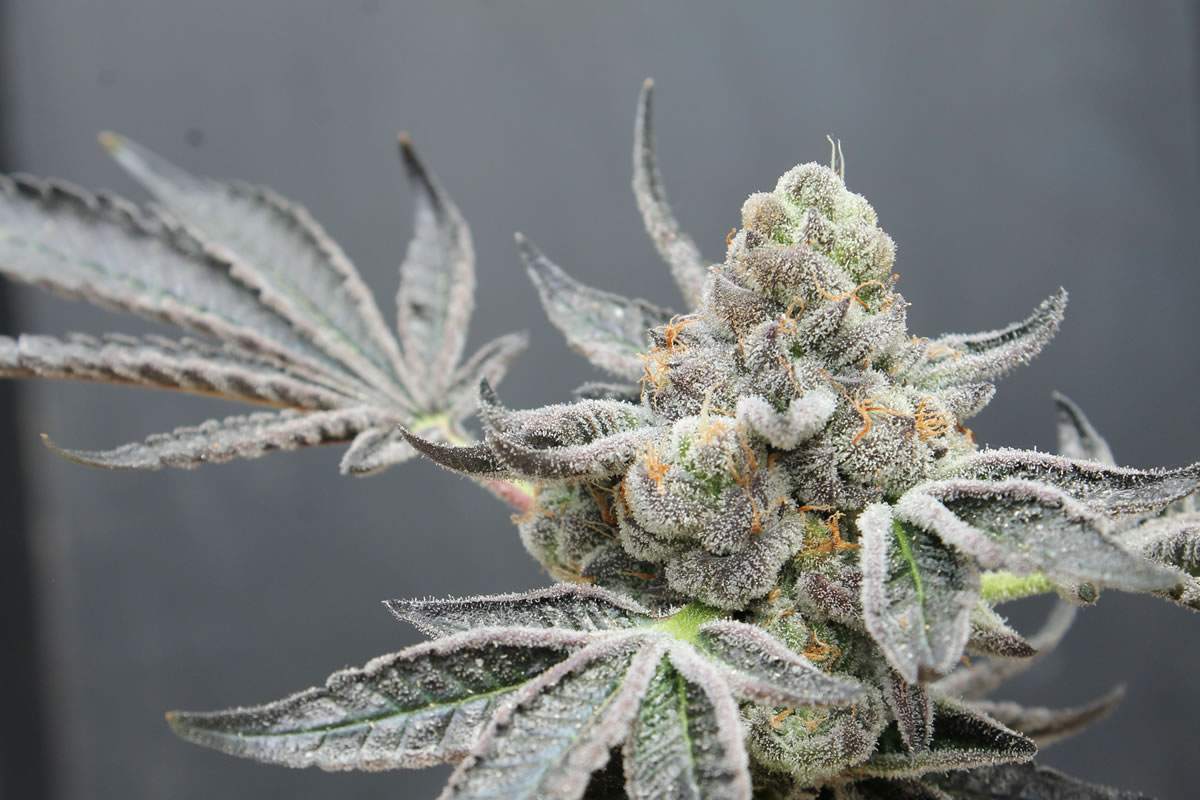
Cannabis Physiology: Why Does Cold Stop Your Grow?
To understand how cannabis responds to cold, we must first recognize that it is a species that evolved to thrive in warm conditions. The optimal temperature for the plant's vegetative growth is between 20 and 30 degrees Celsius during the day, with the ideal range being slightly broader than that of many other cultivated plants. During the flowering phase, plants tolerate somewhat cooler temperatures, which is consistent with the plant's natural outdoor cycle, where flowering coincides with the onset of autumn.
When the temperature drops below 15 degrees Celsius, the first negative effects on plant metabolism begin to manifest. Recent research published in the journal Horticulturae from Cornell University has established critical temperature thresholds that are revealing:
- The freezing point (0°C): This is the critical limit where the harvest is seriously endangered. Cannabis contains a lot of water; if it reaches 0°C, that intracellular water crystallizes and, upon expanding, breaks the cell walls (like a full bottle in the freezer). The result is buds that, upon thawing, become brown, soft, and prone to rotting, losing their aroma and becoming practically useless for consumption.
- The danger zone (4°C): Before freezing, below 4°C, the plant enters a total "lockdown." The risk here is that trichome maturation stops completely. If your flowers spend many nights at these temperatures, terpenes degrade and resin fails to fully mature, resulting in herb with less potency and a much poorer flavor profile.
The first system affected by cold is always the root system. The roots, that underground organ on which the entire plant depends, are extremely sensitive to low temperatures. When substrate temperature drops below 12 degrees Celsius, the plant's metabolism slows dramatically. The enzymatic processes that facilitate the absorption of water, oxygen, and nutrients begin to shut down. The result is a plant that, although it may not show obvious signs of immediate wilting, simply stops growing. This stagnation can be deceptive, as the grower might attribute the problem to nutritional deficiencies or diseases when in reality the cause is the temperature of the growing medium.
A particularly problematic aspect of cold stress is its effect on magnesium absorption. This element is fundamental for photosynthesis, as it forms part of the chlorophyll molecule. With substrate temperatures below 18 degrees Celsius, the plant is unable to absorb magnesium efficiently, even when it is present in abundance in the growing medium. This explains why many growers observe magnesium deficiencies in winter crops that don't respond to fertilization, a problem that can only be resolved by raising the substrate temperature.
The Impact of Cold on Cannabinoid Production
One of the most important questions for any grower is how cold affects harvest quality, specifically cannabinoid production. Scientific studies on this topic offer results that challenge some popular beliefs. Research published in the academic journal MDPI in 2022 evaluated the effects of cold stress on hemp cultivars, specifically the Finola and AutoCBD varieties. The results were conclusive: prolonged exposure to cold temperatures, even under conditions of gradual cold acclimation, resulted in a significant decrease in total CBD and THC levels.
The most surprising finding of this study was discovering that cold acclimation, a process by which plants are gradually exposed to lower temperatures in hopes they develop tolerance, had mostly negative effects. Cold-acclimated plants showed lower cannabinoid levels than plants that had not been subjected to this process.
THC was the most affected cannabinoid, with more pronounced drops than those observed in CBD. This reduction in cannabinoid production represents an interesting dilemma: on one hand, it can help industrial hemp growers stay below the legal threshold of 0.3% THC, but on the other, it reduces the commercial value of plants intended for cannabinoid production.
Cold temperatures not only reduce the quantity of cannabinoids, but also affect the photosynthesis process as a whole. When temperatures are suboptimal, photosynthetic efficiency decreases, meaning the plant takes less advantage of available light to produce energy. Research has shown that anthocyanin formation in response to cold can reduce light absorption capacity by up to 50%, a finding that has profound implications for the final harvest yield.
The Purple Color Phenomenon in Marijuana
One of the most fascinating aspects of cannabis cultivation in cold conditions is the appearance of purple, red, and blue colorations in leaves and flowers. This phenomenon is mediated by a group of compounds called anthocyanins, which are water-soluble flavonoid pigments. Anthocyanins are not exclusive to cannabis; we also find them in blueberries, grapes, eggplants, and many other plants that exhibit vivid colors.
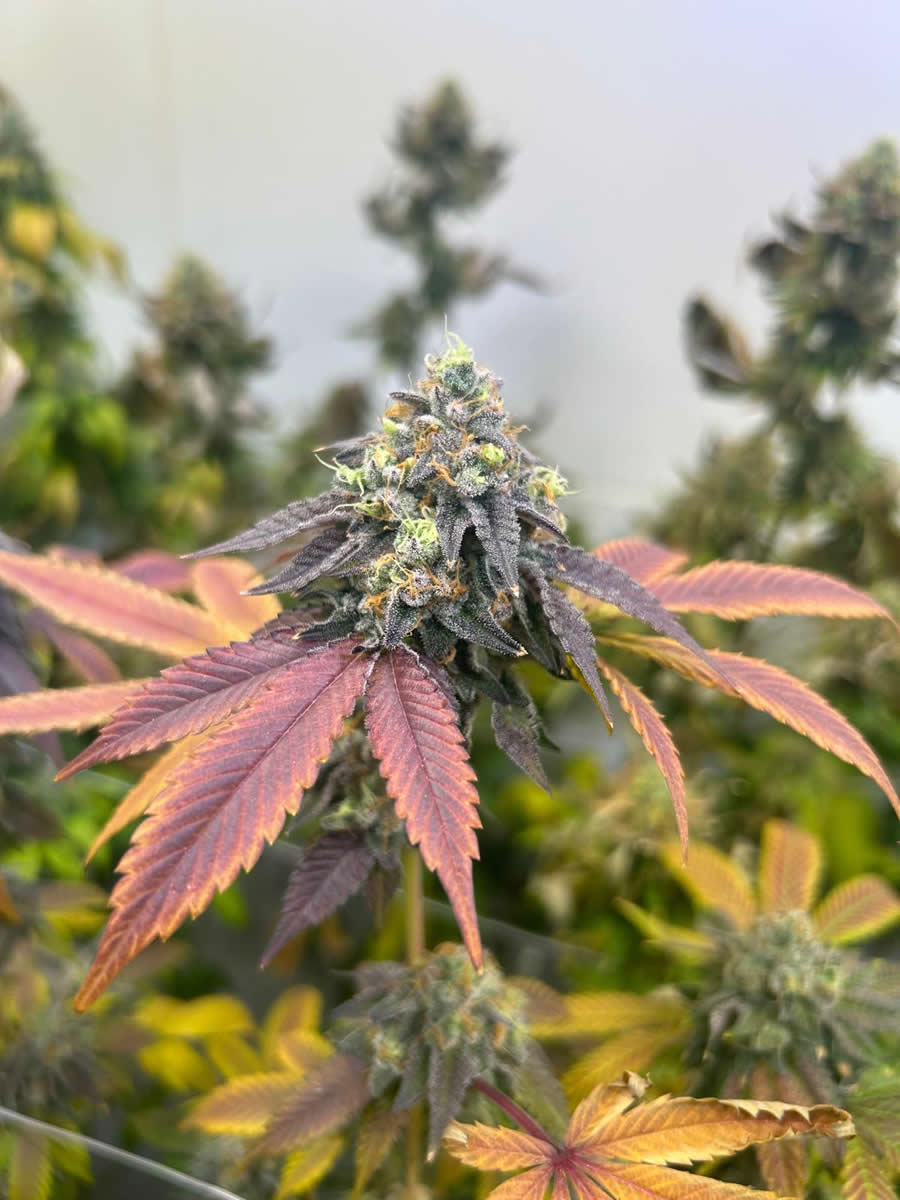
Anthocyanin production in cannabis is a response to environmental stress, particularly cold and intense ultraviolet radiation. When nighttime temperatures drop below 18 degrees Celsius during the flowering phase, chlorophyll production slows down and anthocyanins that were present but masked by the green begin to become visible. Research has identified that the main compound responsible for purple color in cannabis is cyanidin-3-rutinoside, also known as keracyanin, present in concentrations higher than those found in small fruits like berries.
However, beauty has its price. Although purple colorations are aesthetically attractive and can increase the perceived commercial value of flowers, research suggests that cold-induced anthocyanin production can have negative effects on yield and potency. A Korean study found that plants exposed to temperatures low enough to induce anthocyanin formation experienced significant reductions in flower size, total yield, and cannabinoid levels.
Research on this topic suggests a delicate balance. To obtain purple plants without sacrificing too much yield, the ideal is to select varieties genetically predisposed to produce purple colorations in the flowers while keeping leaves green and functional.
Cold-Adapted Varieties from Ripper Seeds
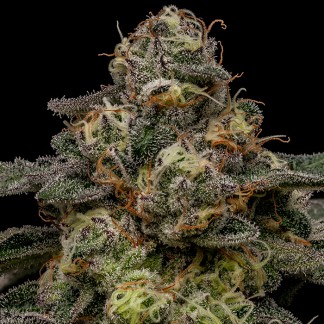
If you're looking to guarantee those exotic tones without exclusively relying on stressing the plant with extreme cold (which, as we've seen, can reduce production), the best strategy is to start cultivation with genetics predisposed to pigmentation. Ripper Seeds has stabilized varieties that develop intense colors and maintain good resistance to adverse climates:
Resistant Genetics and Variety Selection for Cold Climates
Not all cannabis varieties respond to cold in the same way. The genetic diversity of this species, forged over millennia of cultivation in different regions of the world, has given rise to varieties with different levels of cold tolerance. Generally speaking, indica varieties, originating from mountainous regions of Central Asia like Afghanistan, Pakistan, and northern India, tend to show greater resistance to low temperatures than tropical sativa varieties.
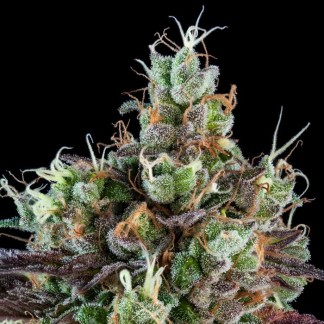
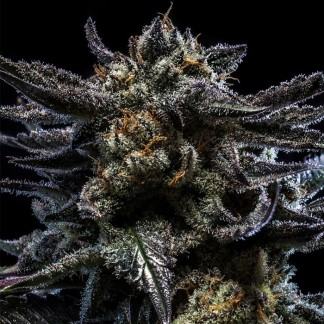
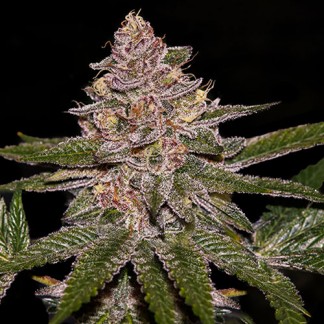
Autoflowering varieties represent another interesting option for growers in cold regions. These plants contain genetics from Cannabis ruderalis, a subspecies native to Central and Eastern Europe and Russia, regions known for their harsh winters. Ruderalis has evolved to be extremely resilient, capable of completing its life cycle under adverse conditions. When this genetics is crossed with indicas or sativas, the result is plants that not only flower independently of photoperiod, but also show greater cold tolerance. Additionally, the fact that autoflowers can complete their cycle in as little as eight weeks makes them ideal candidates to take advantage of short growing windows in early spring or late autumn.
Autoflowering Varieties from Ripper Seeds
How to Grow Marijuana in the Cold?
Growing cannabis in cold conditions requires combining appropriate genetic selection with careful environmental management. Indoors, temperature control is achieved with thermostatic heaters, but there are strategies to optimize energy use.
HID lamps (metal halide and high-pressure sodium) generate considerable heat that during winter becomes an advantage. Many growers adjust light cycles to run during the coldest hours, maintaining stable temperatures and reducing electrical costs. LEDs, although more efficient, emit less heat and may require supplemental heating in cold climates.
Outdoors or in greenhouses, location is crucial: elevated areas are less prone to frost than low-lying areas where cold air accumulates. Coverings like thermal blankets, tunnels, or greenhouses retain solar heat and can maintain temperatures several degrees above the exterior.
Heating mats under pots protect the root system, keeping the substrate above 15°C. Watering requires adjustments: plants transpire less in cold weather and substrate retains more moisture. Avoiding overwatering is crucial to prevent root rot, although light watering before frost can help since moist soil retains more heat.
Nutritional reinforcement with Silicon: Beyond climate control, nutrition can act as a shield. Adding silicon (generally potassium silicate) to the irrigation solution is one of the most effective strategies against abiotic stress. This element strengthens the plant's cell walls, creating a more robust structure that better resists thermal fluctuations and makes pathogen penetration more difficult. Think of it as giving your plants an "extra layer" of skin from the inside.
How to Avoid the Problem of Mold and Humidity in Cold Weather
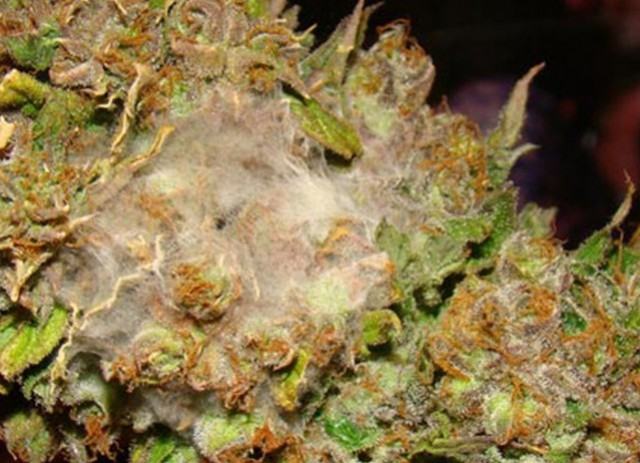
Low temperatures come with high humidity, fog, or rain, creating perfect conditions for fungi and mold. Botrytis (gray mold) is especially problematic during flowering when dense flowers retain moisture. Condensed droplets become trapped in the flowers, creating microclimates where fungi thrive.
Prevention is the only effective strategy: maintain adequate airflow, avoid overcrowding, prune foliage that retains moisture, and use fans in greenhouses. Outdoors, choosing mold-resistant varieties with less dense flowers is fundamental.
If you've already detected problems or want to delve deeper into fungal prevention, we recommend reading our specific guide:
This article will be devoted entirely to looking at various types of pests that can attack our marijuana plants. The pests that we can see this time will be: Botrytis, Mildew, Powdery mildew and th...
Seedlings and Young Plants: The Most Vulnerable
Seedlings and young clones are extremely sensitive to low temperatures. During the first weeks they are establishing their root system and developing the ability to regulate their internal temperature. Even temperatures that a mature plant would tolerate can cause significant stress to a seedling.
It is recommended to maintain seedlings and clones between 24-27°C with relative humidity of 60-70%. This warm and humid environment facilitates initial development without stress. Gradual acclimation is key when moving young plants to colder conditions. An abrupt change can cause thermal shock, stopping growth for days or weeks. "Hardening off" should be done gradually over several days.
Growing Calendar and Frost Risk Management
Knowing the dates of the last spring frost and first autumn frost is fundamental for planning cultivation. A common strategy is to start plants indoors during winter and transplant them after the frost risk has passed. At the end of the season, carefully monitoring forecasts allows for early harvest if severe frost is predicted.
Covering plants with opaque material to artificially reduce light hours can induce flowering earlier than natural. This technique, although laborious, can mean the difference between losing the crop to an early frost or harvesting mature flowers.
References and Sources
- Galic, Z., et al. (2022). "Effects of Cold Temperature and Acclimation on Cold Tolerance and Cannabinoid Profiles of Cannabis sativa L. (Hemp)." Horticulturae, 8(6), 531. MDPI.
- Weed Seed Express (2025). "Study: How Cold Stress Impacts Cannabis Yield & Cannabinoids." Analysis of Cornell University School of Integrative Plant Science study.
- Grow Weed Easy (2021). "Cannabis Temperature Tutorial." Technical guide on optimal temperature ranges for cannabis cultivation.
- Cannabis Training University (2023). "Tips for Growing Cold-Weather Cannabis." Educational guide on cultivation in cold climates.
- Cannabis Sciences, LaRoots (2023). "How To Grow Cannabis in The Cold." Research on temperature requirements for cannabis.
- Grand Cannabis (2024). "Can Cannabis Survive Frost?" Scientific analysis on cold and frost tolerance.
- Chengfei Greenhouses. "Can Cannabis Grow in 50°F (10°C) Weather?" Research on minimum temperature thresholds.
- Leafwell (2022). "Anthocyanin: The Compound That Turns Cannabis Purple." Scientific analysis on anthocyanins in cannabis
- Cannabis Science and Technology (2024). "Enhancing Anthocyanin Levels in Cannabis: Environmental Factors at Play." Research on anthocyanin production.
- High Times (2020). "Cannabis & Anthocyanins: A Closer Look at the Color Purple in Cannabis." By Andrew Parker "Chewberto420". Technical analysis of anthocyanins.
- Leafly (2020). "How does cannabis get its color? Here's why some strains turn purple." Research on flavonoids and pigmentation in cannabis.