
The term "cannabis concentrate" encompasses very different products: from the kief that accumulates in the bottom compartment of any grinder to the THCA crystals obtained through industrial crystallisation processes. What they have in common is that they all concentrate the plant's active compounds —cannabinoids and terpenes— separating them from the plant material.
The concentrates market in Europe has changed more in the last five years than in the two previous decades. What for a long time was limited to pressed hash and artisanal oil is today a broad spectrum of products, each obtained through a distinct process and with its own profile. Understanding those differences —what lies behind each product, how it is obtained and what determines its quality— is increasingly relevant both for the consumer who wants to make informed choices and for the producer approaching these techniques for the first time.
This article covers the main types of concentrates and extractions available on the market: their origin, their production process in general terms, their consumption characteristics and the factors that condition their domestic or industrial production.
.jpg) Bubble hash obtained by iceolator with the SourRipper Ice #45 variety by Ripper Seeds
Bubble hash obtained by iceolator with the SourRipper Ice #45 variety by Ripper Seeds
Trichomes: the basis of any extraction
Trichomes are the glandular structures that cover the flowers and leaves of the cannabis plant. Visually they resemble small hairs or crystals. Inside them, the cannabinoids —THC, CBD, CBG and others— and the terpenes that determine the aroma and flavour of the product are synthesised and stored.
The goal of any extraction is to separate those trichomes from the rest of the plant material, or to isolate the compounds they contain. The method used to carry out that separation —mechanical, thermal, chemical— determines the type of resulting concentrate, its purity, its profile and its consumption conditions.
Solventless and solvent-based extractions
All extraction methods are grouped into two categories depending on whether or not they use a chemical agent to separate the compounds of interest from the plant material.
Solventless: only heat, pressure, cold water or mechanical friction are involved. No chemical residues remain in the final product. Includes kief, pressed hash, bubble hash, rosin, hash rosin, live rosin, Piatella, Charas and Temple Ball Hash.
Solvent-based: butane, propane, ethanol or supercritical CO₂ are used to dissolve and isolate cannabinoids and terpenes. They allow greater extraction efficiency and purity levels that mechanical methods cannot reach, but require specific equipment, technical knowledge and, in the case of hydrocarbons, strict safety conditions. Includes BHO and its variants, ethanol extraction, live resin, supercritical CO₂ and distillates.
Solventless cannabis concentrates
Curing in solventless concentrates
Several of the concentrates described below —hash rosin, live rosin and Piatella in particular— undergo a curing process after extraction or pressing. It is worth understanding what this involves before encountering it mentioned for each product.
Curing is the controlled ageing of a concentrate under specific conditions of temperature, humidity and time. During this process, physical and chemical changes take place: the texture evolves (from oil or hard consistency towards softer, more pliable formats), terpenes redistribute within the product matrix and the aromatic profile changes. A well-executed cure stabilises the concentrate and can improve the consumption experience. Poor curing degrades terpenes or promotes oxidation.
Conditions vary depending on the product. In hash rosin and live rosin, cold curing —short-term refrigeration or freezing— stabilises the texture and preserves the most volatile terpenes. In Piatella, the process takes place at a temperature slightly above ambient for days or weeks, and is an essential part of what defines the product. There is no single protocol: each producer develops their own conditions.
Kief and Dry Sift
Kief is the most basic concentrate. It is obtained by dry mechanical sieving: trichomes pass through meshes of varying micron sizes and are separated from the plant material. The result is a golden or greenish powder. It can be consumed directly by adding it to cannabis in a joint or pipe, or pressed to produce hash.
Dry Sift is kief obtained with greater rigour: finer meshes, controlled temperature and more sieving passes. It is the usual starting material for high-quality rosin and can be used as a base for Piatella, although the market standard for that format is bubble hash.
Indicative potency: 30–60% THC depending on the variety and the cleanliness of the process.
Accessibility: very high. A three-chamber grinder collects kief without any additional process.
Traditional pressed hash
Pressed hash is the most widely consumed concentrate in Europe. It is obtained by sieving dry material to obtain kief or trichome powder, which is then pressed —with manual or mechanical heat and pressure— to form blocks or slabs.
The quality of pressed hash depends fundamentally on the purity of the sieving —how much plant material accompanies the trichomes— and on the source variety. The highest-purity formats, with minimal plant material present, melt completely when heated without leaving any appreciable residue. This behaviour is known as full melt and is the benchmark quality criterion in the artisanal market: a full melt hash can be consumed in a banger just like rosin or hash rosin; a hash with more plant material leaves residue and is better suited to a pipe or joint.
The most prevalent variants in the European market are Moroccan, Afghan and Lebanese hash, which differ in the type of variety used, the sieving method and the pressing process. Moroccan hash —coming primarily from the Rif region— is the most common in Spain and southern Europe. Afghan hash is usually darker and denser, with a more intensive pressing process. Lebanese hash is characterised by reddish tones and a distinct aromatic profile.
Indicative potency: 20–50% THC depending on purity.
Accessibility: very high as a consumer product. Artisanal production is accessible with appropriate materials.
Bubble Hash
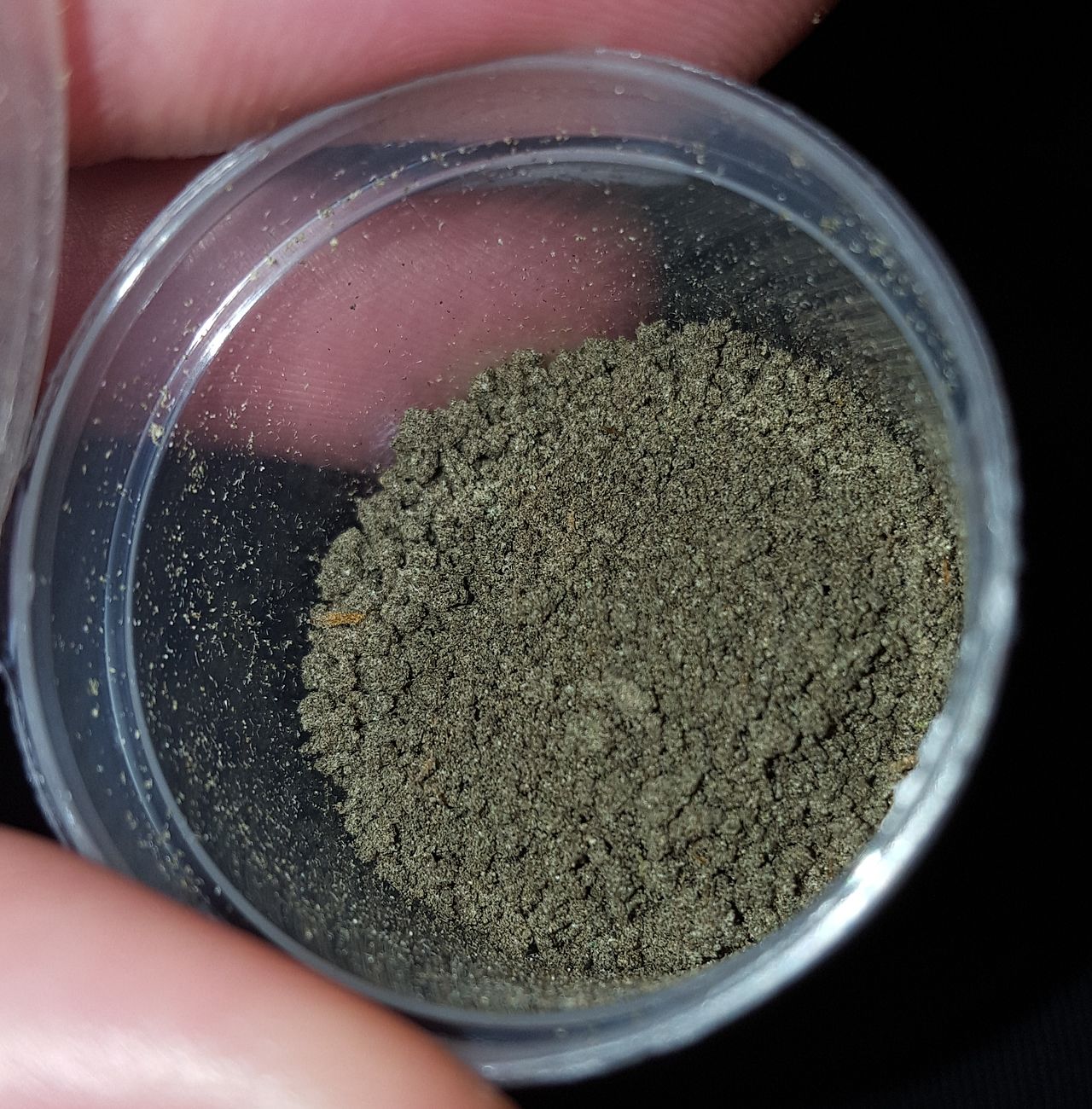 Freshly extracted bubble hash by IWE before drying: the powdery texture and colour are indicative of the micron range and purity of the material.
Bubble hash —also known as ice water hash, IWE (Ice Water Extraction) or iceolator— uses very cold water, ice and mechanical agitation to separate trichomes from plant material. When cooled, trichomes become more brittle and detach more easily. The result is filtered through mesh bags of different micron sizes —bubble bags— which classify the material by particle size.
Each micron range produces a hash of different quality and behaviour. The intermediate ranges (generally 73–120 microns) concentrate the complete glandular trichomes with greater purity. The heat-melt quality is classified at three levels: half melt (melts partially, leaves visible residue), full melt (melts completely without appreciable residue) and six-star (the highest rating within full melt, with an intact terpene profile). This classification determines the appropriate consumption method: half melt is consumed in a pipe or added to cannabis; full melt can be consumed in a banger.
The resulting hash must be dried properly —a process that can take days or weeks at low temperature— to prevent mould growth and terpene degradation.
Indicative potency: 40–70% THC depending on micron range and purity.
Accessibility: high. The necessary materials are affordable and the process does not require specialised infrastructure.
Common uses: direct consumption or as starting material for hash rosin.
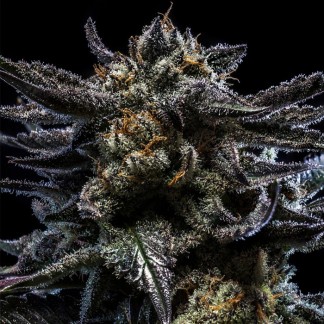
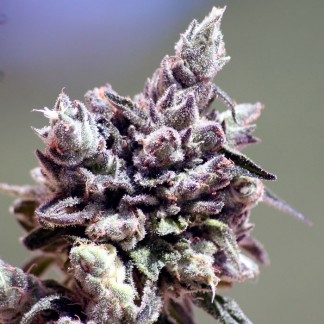
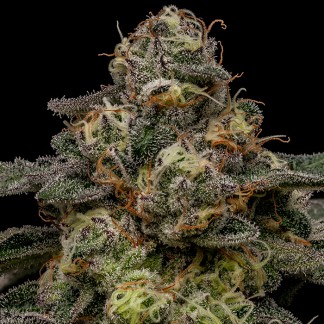
Not all strains behave the same way with water and ice. To obtain a superior quality bubble hash (5 or 6 stars), it is essential to work with plants that have a high density of glandular trichomes and a structure that facilitates their separation. Before moving to the press to turn them into Rosin, make sure you start with genetics selected specifically for their high return in mechanical extractions.
Flower Rosin
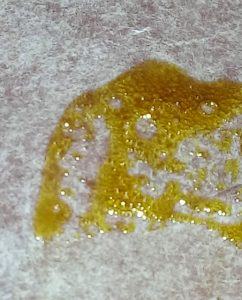 Freshly pressed rosin on parchment paper
Rosin is obtained by applying heat and pressure to cannabis flower using a plate press. The trichomes, subjected to pressure and temperature, release their contents in the form of resin, which is collected on parchment paper. No solvents are involved at any stage.
It is the entry point into solventless artisanal concentrates. The technique, also known as rosin tech, can be produced with a hair straightener or with a specific domestic press. The temperature and pressure applied affect the yield and the profile: lower temperatures (65–80°C) better preserve terpenes although yield is lower; higher temperatures (85–100°C) increase yield but can degrade part of the aromatic profile. The consistency of the result varies between fluid oil, budder or a more solid texture depending on the process conditions.
Indicative potency: 50–75% THC.
Typical yield: 12–25% of the weight of the starting material, depending on the variety and trichome maturity.
Hash Rosin
Hash rosin applies the rosin technique not to flower but to quality bubble hash or dry sift. By starting from an already concentrated material, the final product has greater purity and a cleaner terpene profile than flower rosin.
The process requires more steps (first producing bubble hash, then pressing) and more starting material, which is reflected in the price. The pressing bags used have specific micron sizes to retain residual plant material and allow only the resin to pass through. After pressing, hash rosin is usually subjected to curing: the conditions of that process determine the final texture of the product, which can range from a badder or jam consistency to drier or crystallised formats.
Indicative potency: 60–80% THC in quality samples.
Fresh Frozen and Live Rosin
The fresh frozen technique involves freezing the plant immediately after harvest, before the natural degradation of the most volatile terpenes begins. The frozen material is processed cold to produce bubble hash, keeping active aromatic compounds that conventional drying eliminates.
Live rosin is the result of pressing that fresh frozen bubble hash. The terpene profile of the final product includes compounds not found in hash made from dry plant material, producing perceptible differences in aroma and flavour compared to conventional hash rosin.
Indicative potency: 65–85% THC.
Accessibility as a producer: low. Requires access to fresh plant material at the time of harvest, freezing infrastructure and mastery of the bubble hash process.
Accessibility as a consumer: low. High-priced product with limited distribution to specialist shops and clubs.
Piatella
Piatella is a concentrate of Italian origin consisting of high-quality bubble hash subjected to a specific curing process at low temperature for several days or weeks. Although it is technically possible to make it with dry sift, the technique gained its recognition in the European market working with six-star bubble hash as the starting material, and that remains the reference standard. During curing, the material develops a soft and pliable texture, a dark colour and an aromatic profile different from that of the same uncured material.
There is no standardised protocol: each producer develops their own method, which generates variability between products under the same name. It is consumed primarily in a pipe or in a banger at medium-low temperature.
Indicative potency: 60–80% THC.
Accessibility as a producer: very low. Requires mastery of the dry sift or bubble hash process and a proven curing protocol.
Accessibility as a consumer: very low. Artisanal product with limited distribution.
Charas and Temple Ball Hash
Charas is a fresh hash obtained by rubbing the hands over the living plant. The resin adhering to the skin is collected and moulded by hand. It is historically associated with the mountainous regions of northern India, Nepal and Kashmir. It requires access to a living plant in advanced flowering stage, making it practically unviable to produce outside its geographic region of origin.
Temple Ball Hash is the traditional artisanal hash format of South and Southeast Asia, recognisable by its spherical shape. It is also made by hand using friction and pressing techniques. Beneath the more oxidised outer crust, the interior has a fresher consistency and a different aromatic profile. Both formats have a marginal presence in the European market as consumer products and are occasionally found in specialist clubs or markets.
Indicative potency: 30–60% THC, variable depending on the variety and the process.
Accessibility as a producer: very low. Requires a living plant and specific conditions.
Solvent-based cannabis concentrates
Solvent-based concentrates allow greater extraction efficiency and purity levels that mechanical methods cannot reach. They require specific equipment, technical knowledge and, when hydrocarbons are used, strict safety conditions. They are not suitable for domestic production without proper training and equipment.
BHO: Butane Hash Oil and its variants
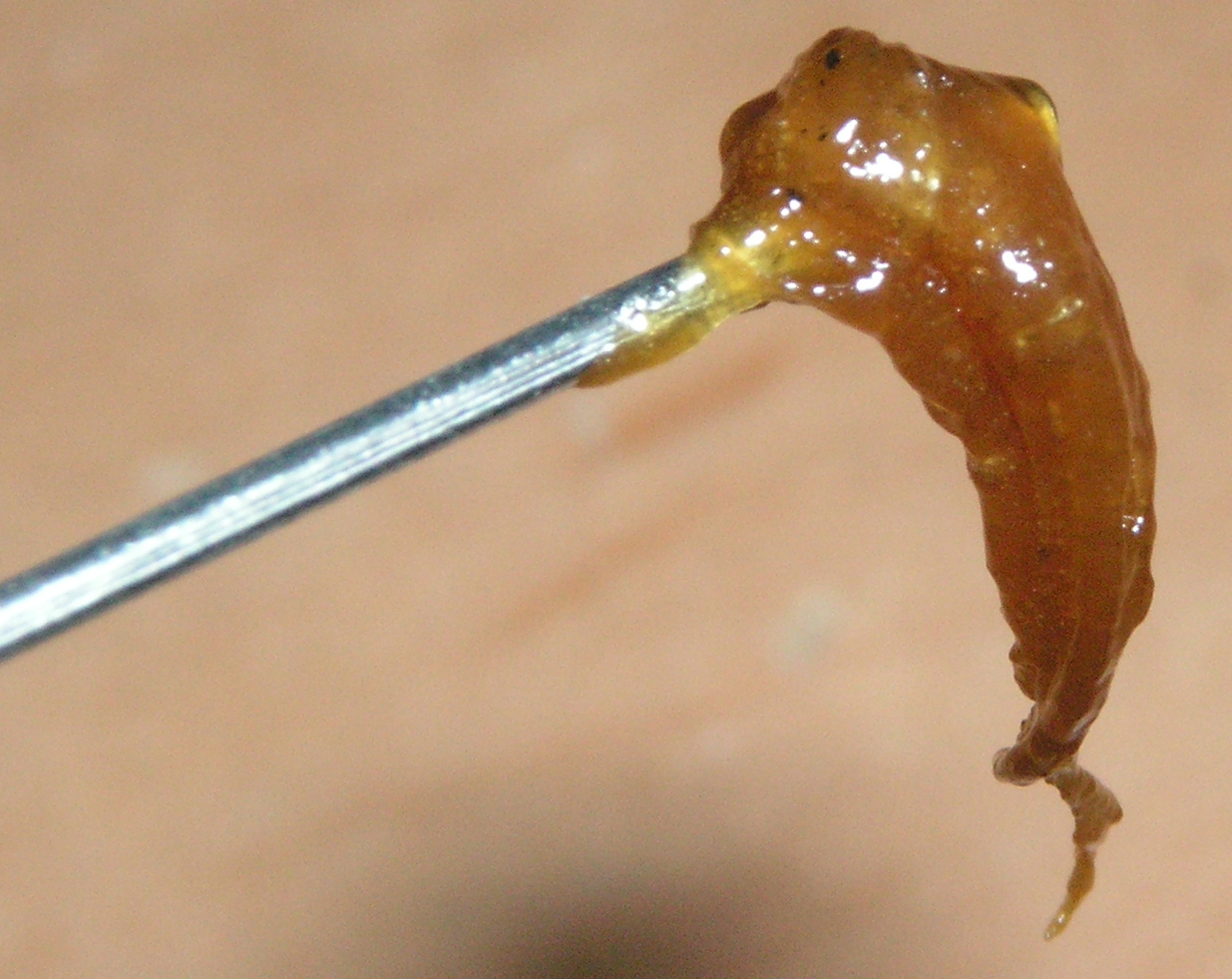 BHO in sap format handled with a dab tool. The semi-liquid consistency and translucent amber colour are characteristic of an extract with high terpene retention.
BHO is obtained by passing butane —or a mixture of butane and propane— through plant material in a closed system. The solvent dissolves the cannabinoids and terpenes, and the extract is collected and subjected to a purging phase to remove gas residues. The temperature and handling during purging determine the final texture.
The most common variants are:
- Shatter: a transparent, hard, glass-like sheet with high purity.
- Wax: soft and opaque texture, with a higher terpene content than shatter.
- Budder / Badder: creamy, the result of whipping the extract during purging at controlled temperature.
- Crumble: dry and crumbly, easy to dose.
- Oil / Sap: liquid or semi-liquid, with a high terpene content.
Indicative potency: 60–90% THC.
Production risk: high. Butane and propane are denser than air and accumulate on the floor without dispersing. In a domestic space, any spark —a light switch, a starting appliance, a pilot flame— can detonate the mixture before its smell gives warning. This is not a risk that is mitigated by care or experience: it requires certified closed extraction systems and active industrial ventilation. It is not viable in a domestic setting.
Ethanol extractions: QWISO and RSO
Ethanol allows cannabinoids to be extracted through a less hazardous process than hydrocarbons. The QWISO method consists of a very brief maceration of the material in high-proof alcohol followed by filtering and solvent evaporation. The brevity of the maceration reduces the amount of chlorophylls and waxes that the alcohol carries along with the cannabinoids.
RSO (Rick Simpson Oil) uses ethanol in a more prolonged extraction that does extract chlorophylls, waxes and other plant compounds in addition to cannabinoids. The result is a dark, dense full-spectrum oil that is ingested orally, not inhaled. It is used primarily in medicinal contexts because the absence of inhalation is relevant for certain user profiles and because the oral route allows for more prolonged absorption. RSO is usually decarboxylated during the extraction process or in a subsequent step, which converts THCA —the non-psychoactive acid form of THC— into active THC. If the oil is not decarboxylated, the cannabinoid profile is different and so are the effects.
Advantage over BHO: safer process with more accessible materials.
Limitation: ethanol carries more unwanted compounds than butane unless additional purification steps are applied.
Supercritical CO₂
CO₂ in its supercritical state acts as a solvent and allows cannabinoids and terpenes to be extracted with high selectivity and without toxic residues. The selectivity of the process can be adjusted by modifying pressure and temperature to extract specific fractions. It is the standard method in pharmaceutical industrial production and in the manufacture of high-end vape oils. The necessary equipment is costly and exclusively for industrial use.
Live Resin
Live resin applies the fresh frozen principle to hydrocarbon extraction. The material is frozen immediately after harvest and extracted with butane or propane at very low temperature, preserving terpenes that would be lost with dry plant material. The usual texture is liquid or semi-liquid, in formats known as sugar or sauce. As with conventional BHO, its production carries the same risks associated with the use of flammable hydrocarbons: the difference from BHO lies not in the process risk but in the product profile.
Difference from live rosin: both start from fresh frozen material, but live resin uses chemical solvents in the extraction and live rosin does not.
Distillate and THCA crystals
Distillate is obtained through short-path distillation, which isolates individual cannabinoids to purities of between 90% and 99%. The result is a transparent, practically odourless oil with no significant amount of terpenes. It is used in the pharmaceutical industry and in the manufacture of vapes and capsules.
THCA crystals, also called diamonds, are crystalline formations of tetrahydrocannabinolic acid obtained by separation and crystallisation from high-purity extracts. THCA is the acid precursor form of THC and is not psychoactive when cold. Conversion to active THC occurs through decarboxylation, which takes place with heat: in the dabbing process, the banger at consumption temperature converts THCA into THC at the moment of vaporisation. This is why THCA crystals produce psychoactive effects when consumed in a banger, but not when ingested cold without prior decarboxylation.
Crystals are usually consumed together with the terpene sauce —sauce— that separates during crystallisation and recovers part of the aromatic profile of the source material.
Indicative potency: 90–99% THCA.
Moon Rocks, Sun Rocks and other combined formats
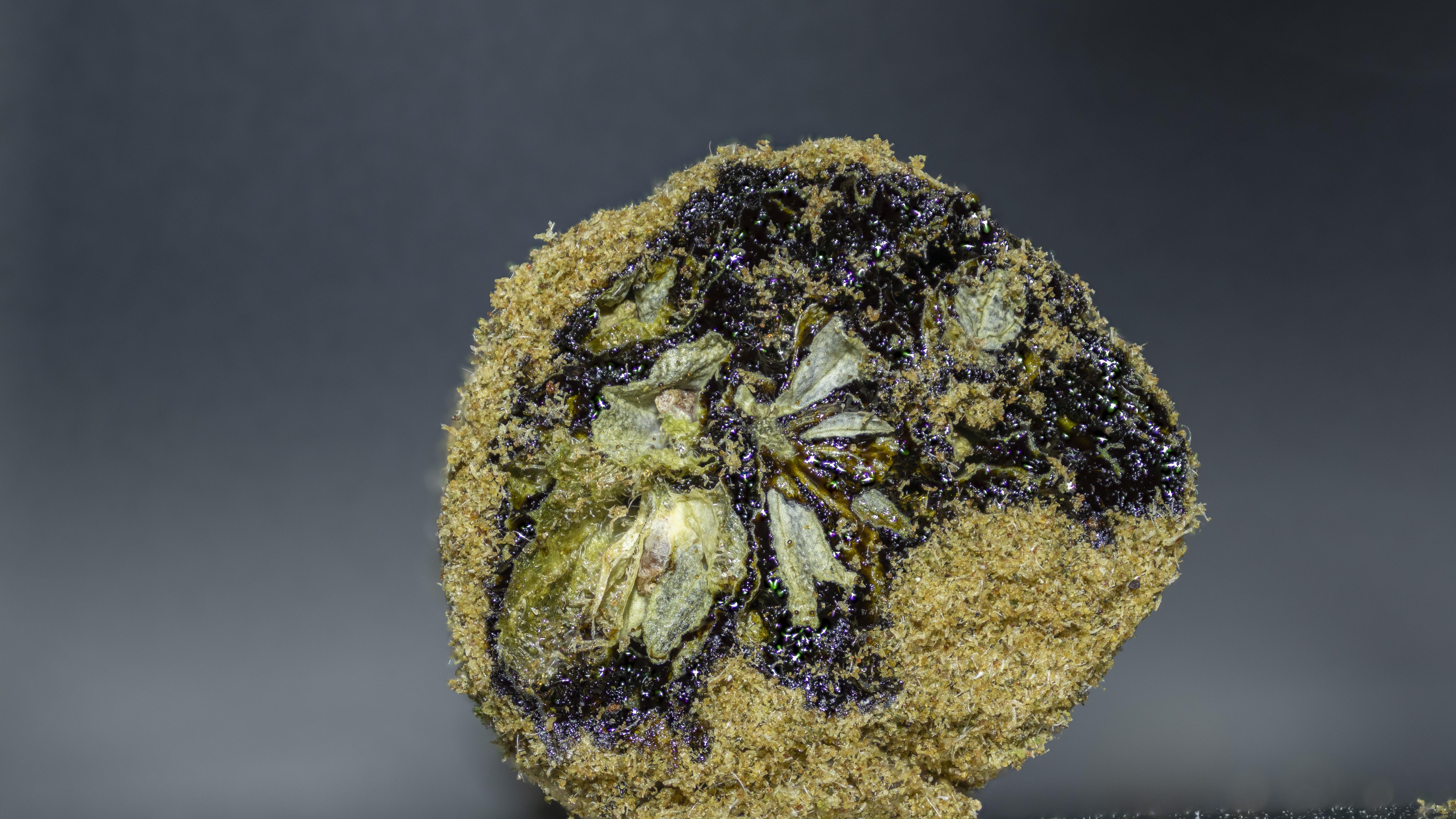 Cross-section of a Moon Rock. The cut clearly shows the three layers it is made of: the bud at the core, the hash oil that soaks it and the outer kief coating.
Moon Rocks are cannabis flowers soaked in hash oil and coated in kief. They combine three different formats in a single high-potency product, precisely because they accumulate cannabinoids from three sources. Sun Rocks follow the same principle with greater attention to component quality, typically using a higher-purity oil and a more uniform kief coating.
They are not an independent extraction technique but a presentation format that depends on the quality of its components. They are consumed in manually cut pieces in a pipe or vaporiser; they are not suitable for a grinder because their sticky texture clogs the mesh.
Consumption methods by concentrate type
Not all concentrates are consumed in the same way. The consumption method affects both the practical experience and the effect profile.
Added to cannabis (joint or pipe): this is the usual consumption method for kief, pressed hash, Charas and soft-textured concentrates. It consists of adding the concentrate to the plant material before rolling or loading the pipe. It is the method with the least precision in dosing.
Water pipe or bong: concentrates of solid or semi-solid consistency can be consumed with a specific bowl. It is not the most suitable method for terpene-rich concentrates because temperatures are less controlled.
Dabbing: this is the primary method for most higher-purity concentrates (rosin, hash rosin, live rosin, BHO, live resin, crystals). It consists of vaporising the concentrate on a heated surface —called a banger or nail— connected to a water pipe. The banger is heated to the desired temperature and the concentrate is introduced with an instrument called a dab tool.
Temperature is the most relevant factor in dabbing. Low temperatures (approximately 160–220°C) better preserve terpenes and produce smoother, more aromatic vapour. High temperatures (above 250°C) increase cannabinoid vaporisation efficiency but degrade part of the terpene profile. Most quality concentrate consumers work in the 180–220°C range.
Electronic dabbing devices (e-rigs) eliminate the torch and maintain the selected temperature automatically, which has made them the standard consumption format among live rosin and live resin users in the market. Some bangers come with integrated thermometers; others are used with infrared thermometers to control temperature precisely.
Concentrate vaporiser: there are specific portable vaporisers for concentrates that maintain controlled temperatures. They are suitable for oils, rosin and budder, and allow more discreet consumption than conventional dabbing.
Oral ingestion: RSO and some distillate oils are ingested directly or incorporated into edible preparations. Oral ingestion has a different effect profile from inhalation: the onset is slower (between 30 minutes and 2 hours), the duration is longer and the intensity can be notably greater than the same inhaled dose, because THC metabolised in the liver produces a metabolite with greater activity on the central nervous system.
Storage of cannabis concentrates
Concentrates degrade through the action of heat, light, oxygen and humidity. The general principles of storage are the same for all formats, although those rich in terpenes are more sensitive.
Temperature: all concentrates are better preserved cold. A refrigerator is suitable for storage over weeks; a freezer for months. Terpene-rich concentrates (live rosin, hash rosin, live resin) are especially sensitive to heat, which accelerates the evaporation of the most volatile aromatic compounds.
Light: exposure to UV light degrades cannabinoids. Storage in opaque containers or in darkness is preferable.
Oxygen: contact with air promotes oxidation. Airtight silicone or glass containers are the most suitable. Soft plastic packaging can interact with terpenes and affect flavour.
Humidity: wax-rich concentrates (some hashes, budder) can be affected by excessive humidity. THCA crystals and distillates are less sensitive.
As a general guideline: an airtight dark glass container in the refrigerator, and remove the concentrate in advance so that it reaches room temperature before opening, avoiding condensation introducing moisture.
Cannabis concentrates comparison
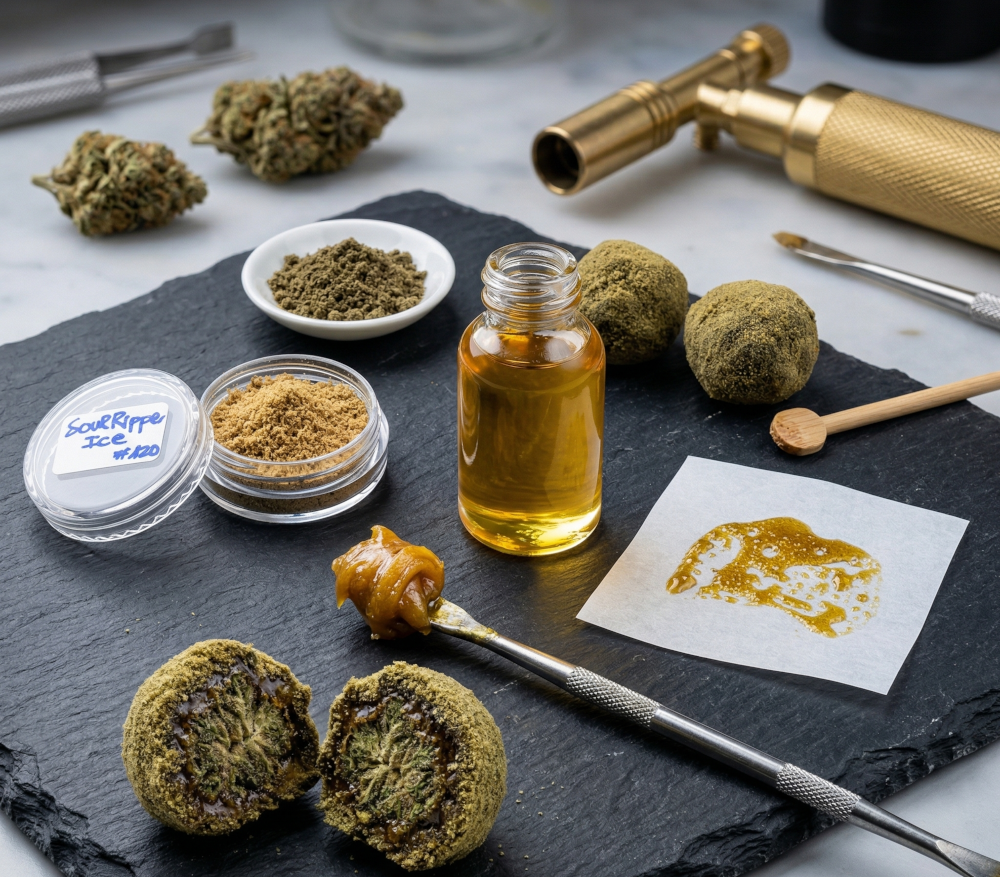 Some of the main concentrate formats: bubble hash, oil, rosin, BHO and moon rocks. Each product corresponds to a distinct production process and a different consumption method.
Potency is expressed as an indicative percentage of total THC (or THCA in the case of crystals) in medium-to-high quality market samples. It does not represent subjective potency, which also depends on the terpene profile, the consumption route and individual tolerance.
A high THC percentage does not equate to a more intense or higher-quality experience: the terpene profile, the consumption method and individual tolerance influence the final outcome as much as or more than raw potency.
| Concentrate | Type | Indicative potency | Consumer accessibility | Domestic production |
|---|---|---|---|---|
| Kief / Dry Sift | Solventless | 30–60% | Very high | Yes |
| Pressed hash | Solventless | 20–50% | Very high | Yes |
| Bubble Hash | Solventless | 40–70% | High | Yes |
| Flower Rosin | Solventless | 50–75% | Medium-high | Yes |
| Hash Rosin | Solventless | 60–80% | Medium | With practice |
| Live Rosin / FF | Solventless | 65–85% | Low | Not recommended without experience |
| Piatella | Solventless | 60–80% | Very low | Not recommended without experience |
| Charas / Temple Ball | Solventless | 30–60% | Very low | Not viable outside original context |
| BHO and variants | Solvent-based | 60–90% | High | No: high risk |
| Ethanol extraction | Solvent-based | 40–70% | High | With precautions |
| Live Resin | Solvent-based | 65–90% | Medium | No: high risk |
| Supercritical CO₂ | Solvent-based | 70–90% | Medium | No: industrial |
| Distillate | Solvent-based | 90–99% | Medium | No: industrial |
| THCA crystals + sauce | Solvent-based | 90–99% THCA | Low | No: industrial |
| Moon Rocks / Sun Rocks | Hybrid | Variable (high) | Medium | Yes |
Cannabis concentrates by intended use
This section describes which formats are most suitable depending on the consumer's starting point and objective. It is not a consumption recommendation but a practical reference for navigating the available offer.
No prior experience with concentrates
Kief and pressed hash are the usual entry points. They are the most widely distributed formats in specialist shops and European clubs, and allow users to familiarise themselves with the difference in intensity between flower and concentrate without changes to the consumption method. Medium-quality bubble hash is the next step: more potent, but still manageable and consumable without additional equipment. Flower rosin is suitable as the first concentrate for dabbing, especially for those who want to begin exploring temperature control in consumption.
Experienced with concentrates, interested in process quality
Hash rosin and live rosin are the formats where the quality of the starting material and process control have the greatest impact on the result. Unlike BHO, there are no solvent residues as a quality variable: what determines the product is the starting genetics, the cleanliness of the bubble hash process and the conditions of pressing and curing. Differences between producers are perceptible and the European artisanal market —with particular activity in Italy, Catalonia and southern France— has sufficient supply to make meaningful comparisons.
Piatella adds to the extraction process a curing phase that significantly modifies texture and aromatic profile. It is a format with greater variability between producers than hash rosin, which implies more dispersion in the experience.
Interest in domestic production
Kief, pressed hash and flower rosin are the most accessible formats for domestic production without specialised equipment or safety risks. Bubble hash requires more material and practice but also involves no dangers. Butane or propane extractions are not suitable for domestic settings without certified closed systems. Ethanol extraction using the QWISO method has a lower risk profile but still requires basic precautions when working with flammable solvents.
Medicinal use or priority on cannabinoid intake
RSO and distillate oils are the most widely used formats when the priority is regular oral cannabinoid intake. RSO, due to its full-spectrum nature, includes cannabinoids in different forms depending on the degree of decarboxylation applied. Distillate allows more precise dosing and integrates more easily into capsules or edible preparations. In both cases, oral ingestion involves different pharmacokinetics from inhalation: slower onset, longer duration and higher individual variability.
Cannabis concentrates cover a broad spectrum in terms of production method, purity, profile and accessibility. The first useful distinction is solvent vs. solventless: it defines the process, the product profile and the production conditions. The second is the consumption method: not all concentrates are consumed in the same way, and the available equipment determines which products make sense for each consumer. The third is the relationship between process and quality: in the artisanal solventless segment, what differentiates products is not raw potency but the cleanliness of the process, the starting genetics and, in some cases, the curing. Understanding those three axes is sufficient to navigate the available offer.