
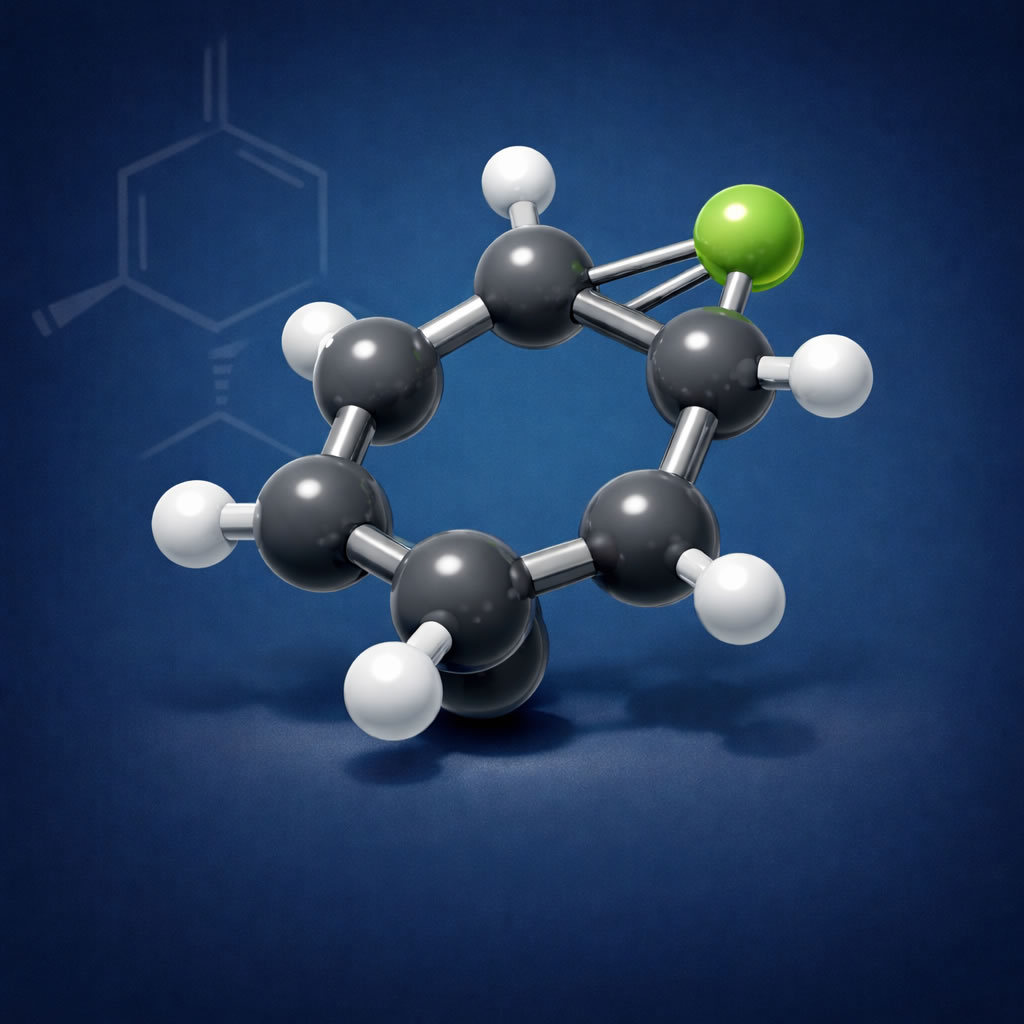
Limonene is one of the most abundant and fascinating terpenes found in nature, present not only in citrus peels but also in numerous varieties of Cannabis sativa. This cyclic monoterpene with the molecular formula C₁₀H₁₆ has captured the attention of the scientific community for its multiple therapeutic properties and its role in the characteristic aromatic profile of certain cannabis strains.
Chemical nature and biosynthesis of limonene
Limonene exists in nature as two enantiomers: (+)-limonene and (-)-limonene, both produced by different specific enzymes. In the case of cannabis, the biosynthesis of limonene occurs in the glandular trichomes of female inflorescences, specialized structures where cannabinoids are also synthesized. The process begins with geranyl pyrophosphate (GPP), a universal precursor of monoterpenes, which is converted into (-)-limonene through the action of the enzyme limonene synthase.
Limonene in cannabis
Although limonene generally represents less than 2% of the dry weight of cannabis flowers, its impact on the organoleptic and potentially therapeutic profile is considerable. Unlike the content of cannabinoids such as THC, which can reach concentrations of up to 30%, terpenes are found in much more discreet amounts, but no less important. Limonene concentration varies significantly between crops and can be affected by genetic factors, cultivation techniques, and curing processes.
It is interesting to note that not all cannabis varieties with a lemon aroma necessarily contain high levels of limonene. To identify with certainty the strains rich in this terpene, it is necessary to have laboratory analyses that quantify its presence through techniques such as gas chromatography coupled with mass spectrometry. Gene expression studies have shown that the gene encoding limonene synthase (CsTPS1) is among the most expressed in cannabis trichomes, constituting approximately 70% of the total terpene synthase expression.
Therapeutic properties of limonene
Scientific research on limonene has revealed a surprisingly broad spectrum of biological activities. Preclinical studies have documented anti-inflammatory, antioxidant, anxiolytic, antimicrobial, and potentially anticancer properties. A comprehensive review published in Natural Products Communications (Chen et al., 2024) concluded that limonene acts as an antioxidant, anti-inflammatory, antidiabetic, and anticancer agent, with the ability to modulate the behavior of specific immune cells.
Regarding its effects on mood and anxiety, various studies in rodents and some preliminary ones in humans have suggested that inhalation of limonene vapor increases serotonin and dopamine levels in key brain regions associated with anxiety, depression, and obsessive-compulsive disorder. However, it is not yet completely clear whether limonene simply stimulates the brain's olfactory system or directly affects brain cells. Unlike other terpenes such as linalool or β-caryophyllene, whose brain targets are well defined, the precise molecular mechanisms of limonene remain the subject of active research.
Anticancer activity: promises and precautions
One of the most promising areas, although still in development, is research on the anticancer properties of limonene. In vitro studies have shown that limonene can induce apoptosis through the mitochondrial pathway of cell death and suppression of the PI3K/Akt pathway in human colon cancer cells (Jia et al., 2013). In animal models, limonene has shown activity against pancreatic, stomach, colon, skin, and liver cancers, also delaying the formation and progression of tumors in animals exposed to carcinogenic substances (Memorial Sloan Kettering Cancer Center, 2024).
A systematic review on the effect of limonene on cancer development in rodent models concluded that treatment with limonene showed beneficial effects by reducing the size, number, weight, and multiplicity of tumors, extending latency and survival periods, promoting cell apoptosis, and improving antioxidant activity and immune functions (Zheng et al., 2021). However, it is crucial to note that these anticancer effects have not been conclusively demonstrated in humans, and clinical studies conducted to date have used much higher doses of limonene than those naturally present in cannabis.
A phase I clinical study in women recently diagnosed with breast cancer showed that the intake of 2 grams of limonene daily for 26 weeks reduced the expression of breast tumor cells by 22%. However, more well-designed clinical studies are needed to determine the real efficacy of limonene as an anticancer therapeutic agent in humans.
The entourage effect: molecular synergy
Limonene does not act in isolation in cannabis. Recent research suggests that this terpene participates in the so-called "entourage effect," a phenomenon by which the various compounds in cannabis (cannabinoids, terpenes, and flavonoids) work synergistically to produce more potent or differentiated effects than when administered in isolation. It has been proposed that limonene may interact with certain cannabinoids, including CBD and THC, to make them more efficient and effective. Additionally, there is anecdotal evidence that limonene might help reduce the risk of anxiety caused by THC, although more research is needed to confirm these modulating effects.
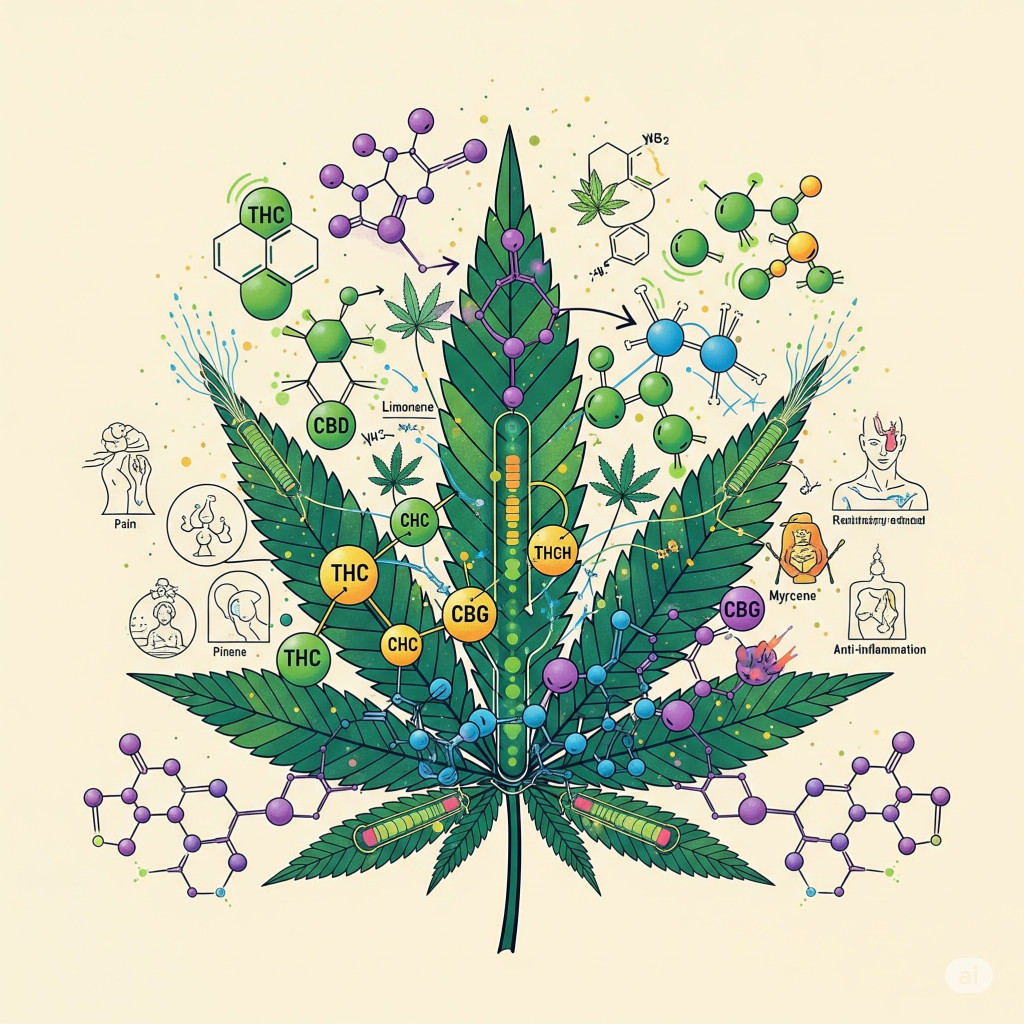
Discover what the entourage effect of cannabis is: how cannabinoids, terpenes and flavonoids work together to enhance therapeutic effects.
Limonene has also been shown to improve the absorption of other terpenes and chemical substances through the skin, mucous membranes, and digestive tract. A study demonstrated that limonene alters the barrier structure of the skin, allowing therapeutic substances to penetrate more easily (Kunta et al., 1997). Although this study focused on limonene's ability to improve the absorption of indomethacin, the findings suggest that it could similarly increase the absorption of various terpenes when used in transdermal therapies.
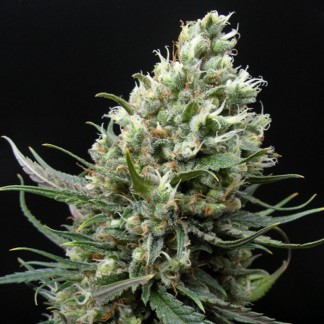
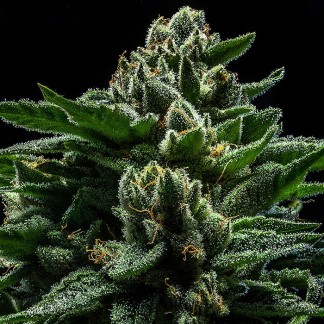
Ripper Seeds varieties rich in Limonene
Bibliographic references
- Allen, K. D., McKernan, K., Pauli, C., Roe, J., Torres, A., Gaudino, R. (2019). Genomic characterization of the complete terpene synthase gene family from Cannabis sativa. PLOS ONE, 14(9), e0222363.
- Booth, J. K., Page, J. E., Bohlmann, J. (2017). Terpene synthases from Cannabis sativa. PLOS ONE, 12(3), e0173911.
- Chen, X., Ding, Y., Guan, H., Zhou, C., He, X., Shao, Y., Wang, Y., Wang, N., Li, B., Lv, G., Chen, S. (2024). The pharmacological effects and potential applications of limonene from citrus plants: A review. Natural Product Communications, 19(5).
- Fischedick, J. T., Hazekamp, A., Erkelens, T., Choi, Y. H., Verpoorte, R. (2010). Metabolic fingerprinting of Cannabis sativa L., cannabinoids and terpenoids for chemotaxonomic and drug standardization purposes. Phytochemistry, 71(17-18), 2058-2073.
- Jia, S. S., Xi, G. P., Zhang, M., Chen, Y. B., Lei, B., Dong, X. S., Yang, Y. M. (2013). Induction of apoptosis by D-limonene is mediated by inactivation of Akt in LS174T human colon cancer cells. Oncology Reports, 29(1), 349-354.
- Kummer, R., Fachini-Queiroz, F. C., Estevão-Silva, C. F., Grespan, R., Silva, E. L., Bersani-Amado, C. A., Cuman, R. K. (2018). Evaluation of anti-inflammatory activity of citrus latifolia Tanaka essential oil and limonene in experimental mouse models. Evidence-Based Complementary and Alternative Medicine, 2013.
- Kunta, J. R., Goskonda, V. R., Brotherton, H. O., Khan, M. A., Reddy, I. K. (1997). Effect of menthol and related terpenes on the percutaneous absorption of propranolol across excised hairless mouse skin. Journal of Pharmaceutical Sciences, 86(12), 1369-1373.
- Memorial Sloan Kettering Cancer Center. (2024). D-limonene. Integrative Medicine Database. Accessed December 2024.
- Miller, J. A., Lang, J. E., Ley, M., Nagle, R., Hsu, C. H., Thompson, P. A., Cordova, C., Waer, A., Chow, H. H. (2013). Human breast tissue disposition and bioactivity of limonene in women with early-stage breast cancer. Cancer Prevention Research, 6(6), 577-584.
- Wiles, D., Roest, J., Vivian, J. P., Beddoe, T. (2025). Structural insights into monoterpene cyclisation of limonene synthase from Cannabis sativa. Biochemical and Biophysical Research Communications, 777, 152271.
- Yoon, W. J., Lee, N. H., Hyun, C. G. (2010). Limonene suppresses lipopolysaccharide-induced production of nitric oxide, prostaglandin E2, and pro-inflammatory cytokines in RAW 264.7 macrophages. Journal of Oleo Science, 59(8), 415-421.
- Zheng, J., Afshar, M., Khatri, L. (2021). Effect of limonene on cancer development in rodent models: A systematic review. Frontiers in Sustainable Food Systems, 5, 725077.