
Interviewer: Today we have the honor of speaking with Maxi, one of the pillars of Antera Uruguay and a key figure in Ripper Seeds' landing in the country. Together with his partner Federico and in collaboration with the Ripper team, they have achieved something unprecedented: establishing the first nursery with registered varieties and opening the legal path for the sale of THC precursor seeds in Uruguay. Maxi, it's a pleasure to have you with us.
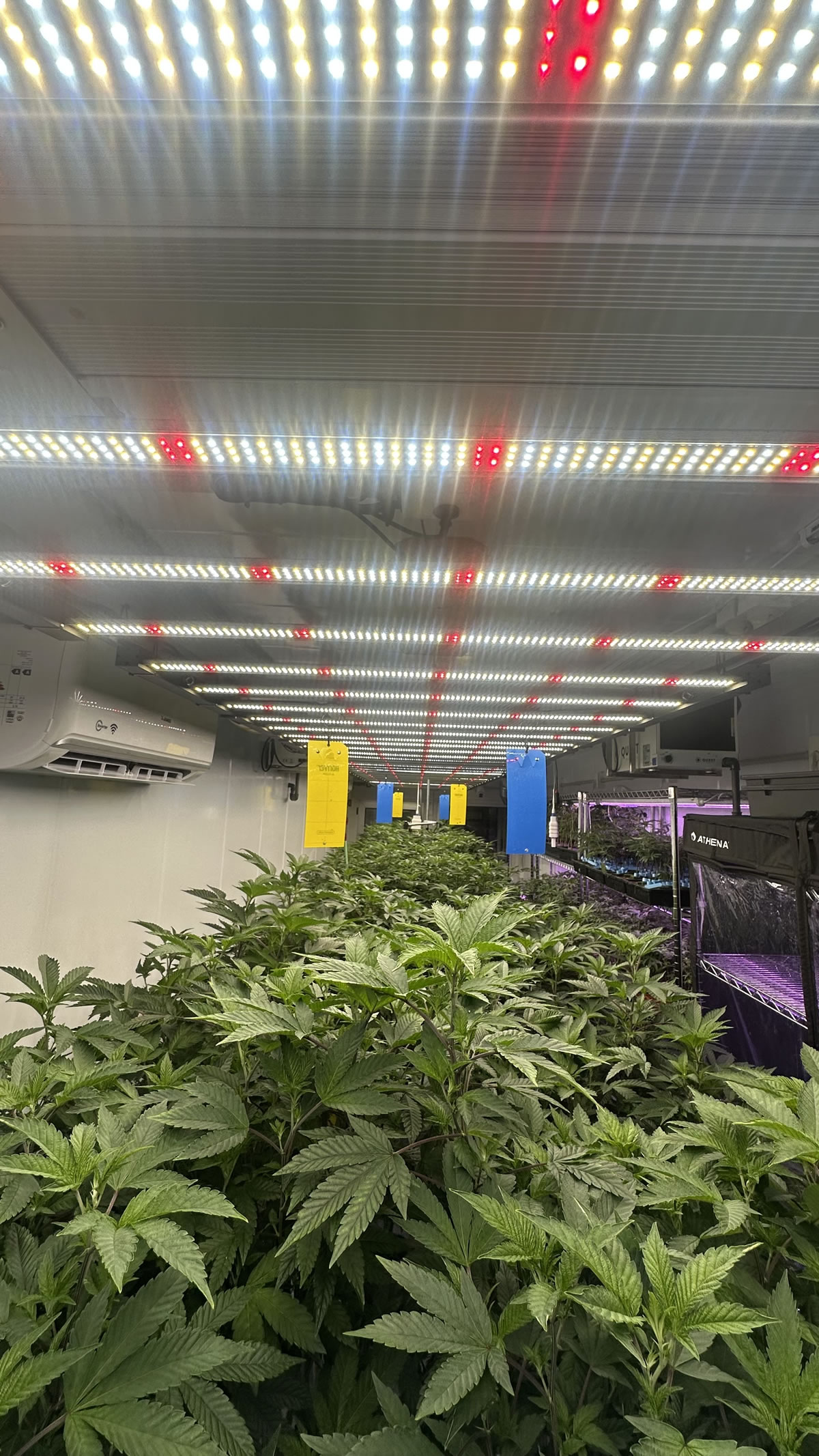
Beginning of the collaboration with Ripper Seeds and vision
1. Maxi, how did the collaboration between Antera and Ripper Seeds come about? What brought you together in terms of vision and values?
The collaboration stems from a very clear affinity in terms of values. At Antera we always had the goal of professionalizing the cultivation sector in Uruguay, and we found in Ripper Seeds a partner who shares that vision: respect for the plant, commitment to genetic quality, and an ethical, long-term perspective. We were united by the desire to open legal and traceable paths, where before there was only informality.
2. What challenges did you face at the beginning when introducing European genetics within the Uruguayan legal framework? How did you adapt?
The main challenge was navigating a regulatory framework that wasn't prepared for this type of initiative. Uruguay was a pioneer in legalization, but there were still no concrete mechanisms to regulate genetics, clones, and seeds. We had to work together with IRCCA, which is the body that grants licenses and oversees these types of projects, and with INASE, which maintains the cultivar registry. Patience, technical documentation, and dialogue with the authorities were key.
3. What does it mean to you that Uruguay is the first country where certified clones and THC precursor seeds are commercialized under a brand like Ripper?
It's an enormous source of pride, both personally and collectively. Uruguay has a historic opportunity to show that a legal, transparent, and high-quality cannabis industry can be developed. Being able to do it with a brand like Ripper, and from a national company like Antera, sets a precedent that can inspire other countries in the region.
Nursery, clones and traceability
4. How was the process of setting up the clone nursery with registered genetics? What technical and legal steps were necessary?
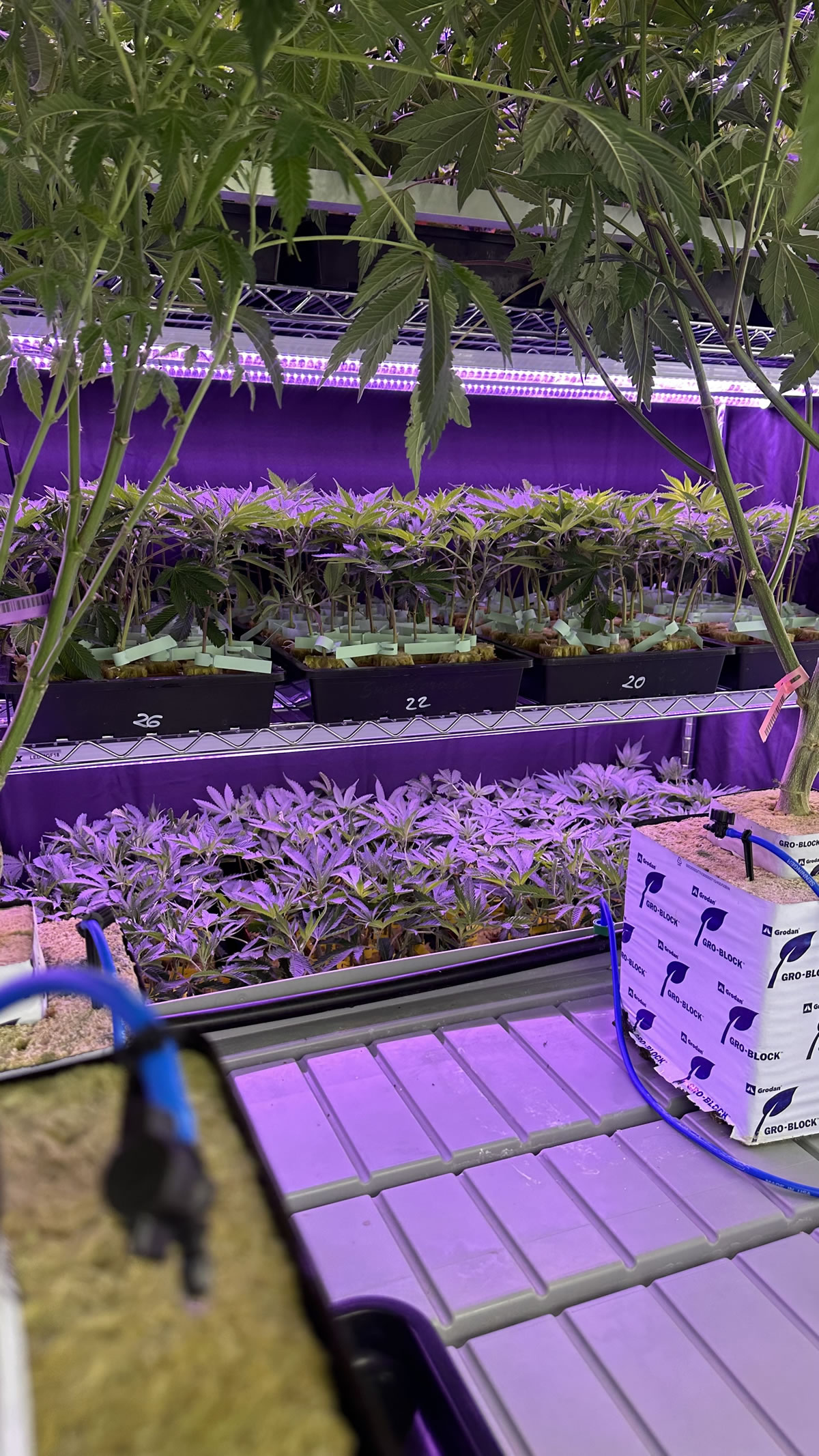
The first step was obtaining a nursery license from IRCCA, which involved presenting a detailed project, with infrastructure, biosecurity protocols, origin of genetic material, and traceability mechanisms. In parallel, the varieties were registered with INASE in the National Cultivar Registry. Then came the operational part: adapting our facilities, training the team, and establishing a rigorous and documented workflow.
5. What are the differences between offering "certified and registered" clones versus the traditional model of informal clones?
The difference is total. A certified clone has a legal origin, comes from a registered genetic, has traceability from the mother plant to the final producer, and was produced under controlled conditions. In contrast, the informal model doesn't guarantee either plant health or genetic authenticity. Our model gives security and backing to the professional grower.

6. What health and traceability standards are you implementing in the nursery? Are there cleaning protocols, virus testing, or quality control?
Yes, we work under strict protocols. We control access, implement cleaning and sterilization of tools, use controlled growing media, and rooms with stable environmental conditions. We also conduct periodic inspections and maintain a complete record of each clone batch. Each clone delivered carries a unique code, linked to the genetics, the customer, and the recipient's license number.
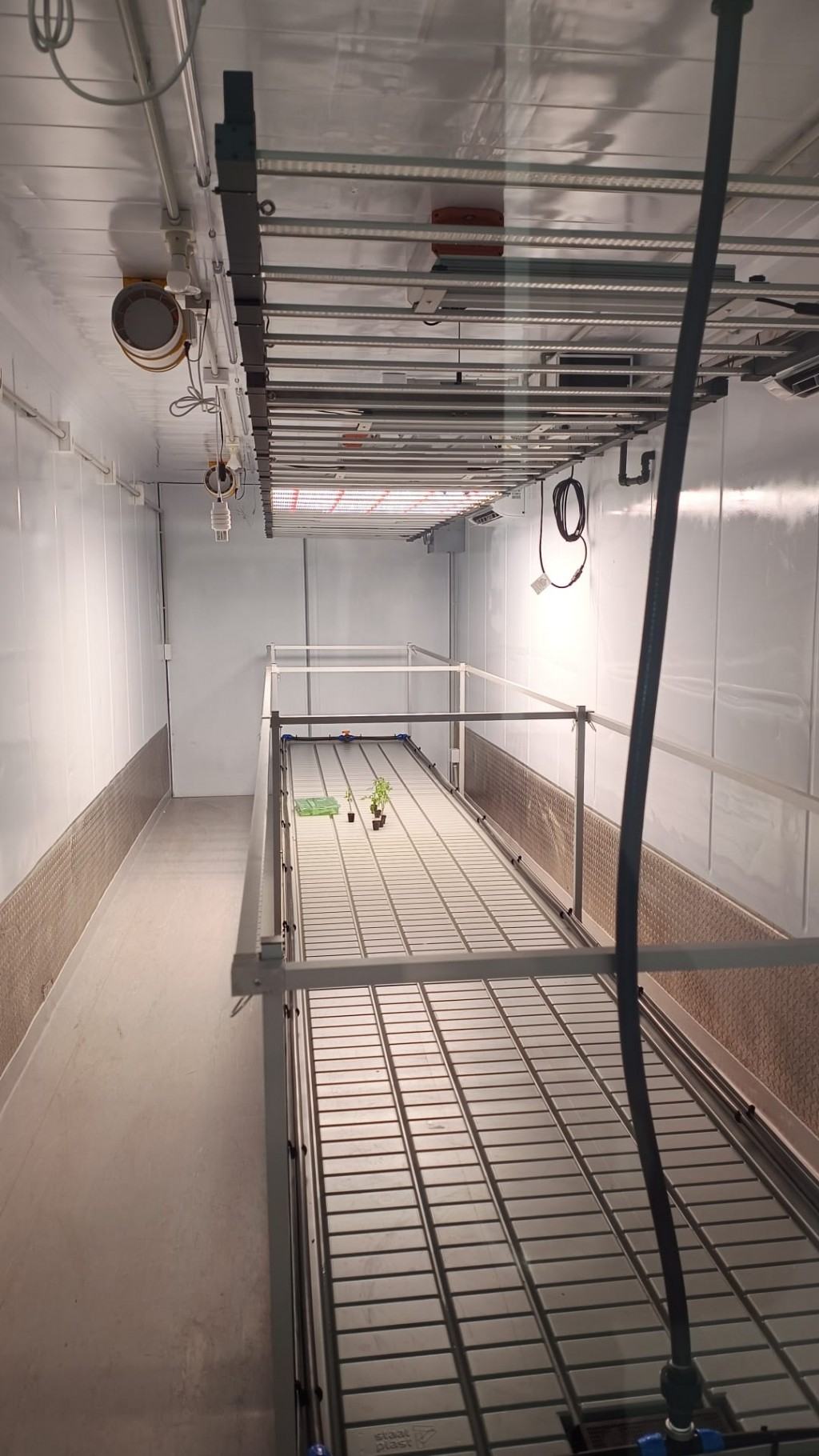
In the world of cannabis cultivation, propagation through cuttings is one of the most effective techniques for maintaining high-quality genetics and ensuring healthy plants. However, this process r...
7. What role does genetic authenticity play in the project's development? How do you guarantee that the clones are truly Ripper?
It's fundamental. We only work with genetics received directly from Ripper Seeds, which we maintain under optimal conditions to preserve their stability. Additionally, all genetics are registered with INASE, which allows for their traceability and legal protection. The producer knows exactly what they're buying and can plan their cultivation with complete confidence.
THC precursor seeds
8. Could you explain to us what exactly THC precursor seeds are and why their sale is so revolutionary in Uruguay?
They are seeds that, due to their genetics, are destined to develop plants with high THC content, but don't yet contain it in seed state. The novelty is that IRCCA authorized their commercialization within the legal framework, as long as they come from registered varieties. This marks a before and after for the Uruguayan market, because until now you could only acquire hemp seeds or informally.
9. What varieties are already registered in the country? Which are available as seeds and which as clones?
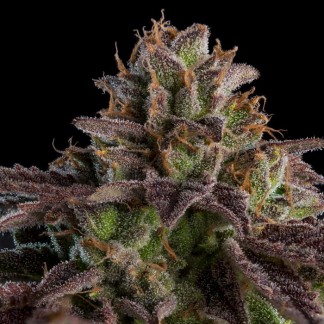
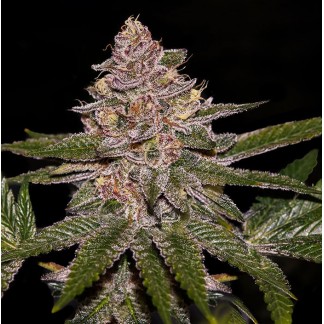
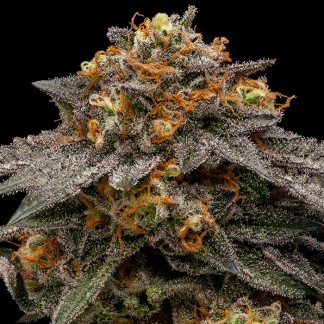
Currently registered are Zombie Bride, OMG, K-Mintz, Radical Juice, Radical Juice Feno ZB, and Shimo.
10. How has the process been with INASE to register these genetics? How complex was it to adapt recreational use varieties to the agricultural system?
It was complex but very necessary. The national agricultural system is designed for traditional crops, so adapting recreational use genetics involved translating many concepts, creating specific technical descriptions, and presenting very detailed documentation. But the joint work with Ripper and the technical team's commitment allowed us to meet all requirements and open a legal pathway to register this type of variety.
11. What advantages does working with these seeds offer the professional farmer versus using informal material?
Mainly, legal security, agronomic predictability, and access to first-level genetics. Additionally, having registered varieties allows declaring crops, obtaining production licenses, and eventually commercializing flowers or derivatives legally. It's a quality leap for the entire sector.
Market, regulation and future
12. What profile of grower is buying clones or precursor seeds in Uruguay? Are we talking about medical licenses, hemp, or also cannabis clubs?
Interest comes mainly from companies with licenses for psychoactive cultivation, whether for medicinal or industrial purposes. But there are also cannabis clubs interested in working legally and traceably, as well as new actors who want to start on the right foot. The important thing is that all clients must have a current IRCCA license.
13. How do you see the development of the Uruguayan market in the coming years? Do you think this model can be exported to other Latin American countries?
I see it with great potential. Uruguay has the advantage of having an established legal framework, and if we manage to strengthen the value chain—from genetics to the final product—the country can become a reference hub in the region. The model is perfectly replicable in other countries that are regulating their market.
14. What has been the feedback from local producers having access to certified European genetics like CandyGaz, Eyeballz, or Zombie Bride?
Very positive. Many growers feel that for the first time they're working with professional tools. Having access to proven, stable genetics with concrete technical descriptions allows them to better plan their cycles and maximize yield. Additionally, they feel proud to be able to cultivate international quality varieties from Uruguay and within a legal framework.
Collaboration with Ripper Seeds
15. What has collaborating directly with a seed bank like Ripper Seeds meant for Antera? How would you describe the relationship and joint work?
It's been a very enriching experience. Ripper is not just a bank with experience, but has a human and technical vision very aligned with ours. The relationship has been one of real collaboration, mutual trust, and continuous learning. They've opened their genetic library to us and trusted us with their name, which we value tremendously.
16. How does Ripper Seeds differ from other international genetics that might have tried to enter Uruguay?
In seriousness, technical availability, and real commitment to the project. They didn't come to sell seeds and disappear; they came to build something with us. They're clear that success in Uruguay is a long-term construction, and that it requires adapting to the local framework. That humility and openness is hard to find.
17. Are you working on local adaptation of varieties or developing new genetic lines with Ripper?
Yes, it's part of the plan. We're already selecting certain local phenotypes that show good performance under Uruguayan conditions.
Technical aspects
18. What techniques do you use in clone propagation? Traditional cloning, aeroponics, in vitro culture...?
Currently we use traditional cloning in rockwool, but under very controlled conditions. We're in the process of starting in vitro culture as well.
19. How important is environmental control in clone production? Do you use rooms with VPD control, photoperiod, etc.?
It's fundamental. We work with controlled rooms where we monitor temperature, humidity, CO₂, photoperiod, and VPD. A healthy clone needs stability from the first moment, and any variation can affect its development. Technology and attention to detail are key at this stage.
20. How do you handle long-term conservation of mother plants? Do you rotate genetics, do continuous phenotypic selection?
We do programmed rotation of mothers and maintain several lines per variety to preserve vigor.
21. What has been the biggest technical challenge you've overcome in certified clone production?
Probably designing a system that combines scalability with traceability. It's not enough to make good clones: you have to document everything, follow protocols, label, deliver reports... Doing all that without losing efficiency was a huge challenge, but today we see it as a strength of the project.
Human touch and anecdotes
22. Do you have any special anecdote from the moment you delivered the first batch of certified clones?
Yes, it was very emotional. When we delivered the first batch, the client—a producer with years of experience—got emotional seeing the level of health and documentary backing. He told us: "This is what I always dreamed of having, but never thought would happen in Uruguay." That day we felt that all the effort was worth it.
23. How has your personal perception of cannabis changed since you started this project?
Tremendously. Before I saw it more from the place of the grower or responsible user. Today I see it as an agricultural, social, and economic tool. I understood the potential it has if worked with seriousness and professionalism. Cannabis can be a noble industry, if built with values.
24. What message would you give to other entrepreneurs in the sector who want to do things legally, traceably, and professionally?
That it's worth it. It's harder, slower, and more expensive at first, but the legal path gives you sustainability, pride, and backing. Look for good partners, get advice, and don't settle for what's easy. There's a new generation of growers who want to do things right, and there's room to grow together.
25. And to close... if you had to choose just one Ripper variety to cultivate for the rest of your life, which would it be and why?
I think I'd choose Zombie Bride. It has a beautiful plant structure, resists well in different environments, and its terpene profile is unique. Additionally, it's a variety that combines potency, aroma, and yield very well. It's like having everything in one plant.
Interviewer: Maxi, thank you so much for this complete and honest conversation. What you're building in Uruguay is pioneering and will set trends. From Ripper Seeds and from here we support you 100%.
More information about Antera Garden Supplies