
What is a cannabis seed?
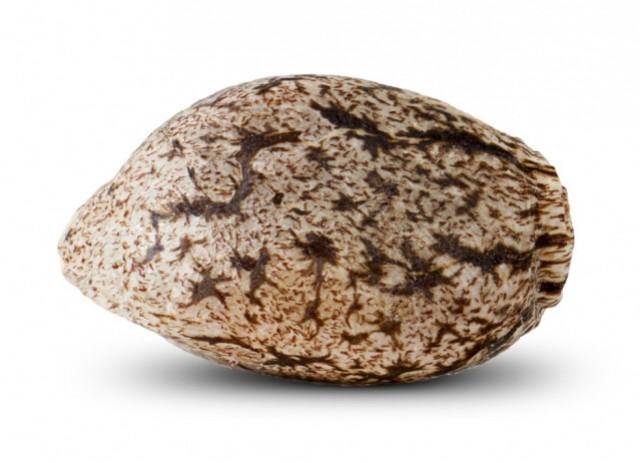
A cannabis seed is a living organism in a dormant state, a true miracle of nature designed to remain inactive until it finds optimal conditions to germinate. It contains all the genetic information inherited from its parents, encoded in its DNA, along with essential nutrients (proteins, carbohydrates, and lipids) necessary to initiate the germination process and the development of the new plant.
The seed is composed of three fundamental parts:
- Embryo: The future of the plant, which contains the radicle (future root) and the cotyledons (first embryonic leaves).
- Endosperm: Nutritive tissue that provides energy and nutrients to the embryo during germination.
- Tegument or shell: Protective covering that shields the embryo from physical damage, light, pathogens, and moisture loss.
Seed activation
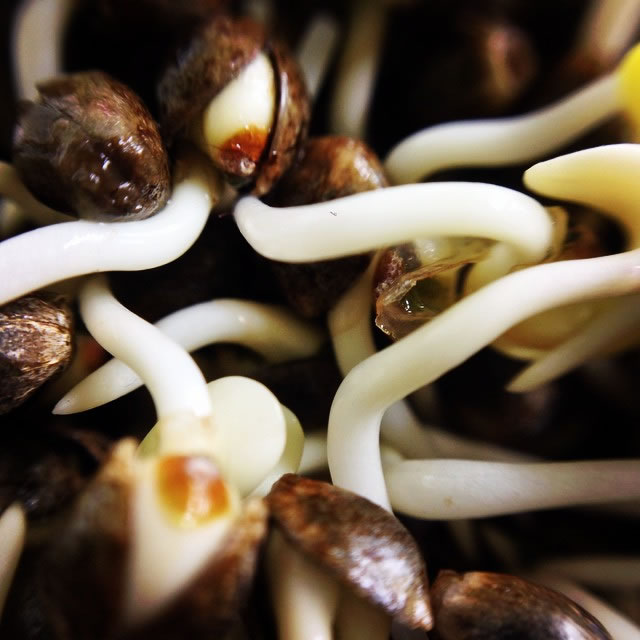
As we well know, water and a temperature above 18-20°C activate the germination process. When environmental conditions are favorable, the seed absorbs water through its shell (a process called imbibition), which triggers a cascade of enzymatic reactions that "awaken" the embryo. This process consumes the stored nutritive reserves, so once initiated it must be successfully completed or the seed will die.
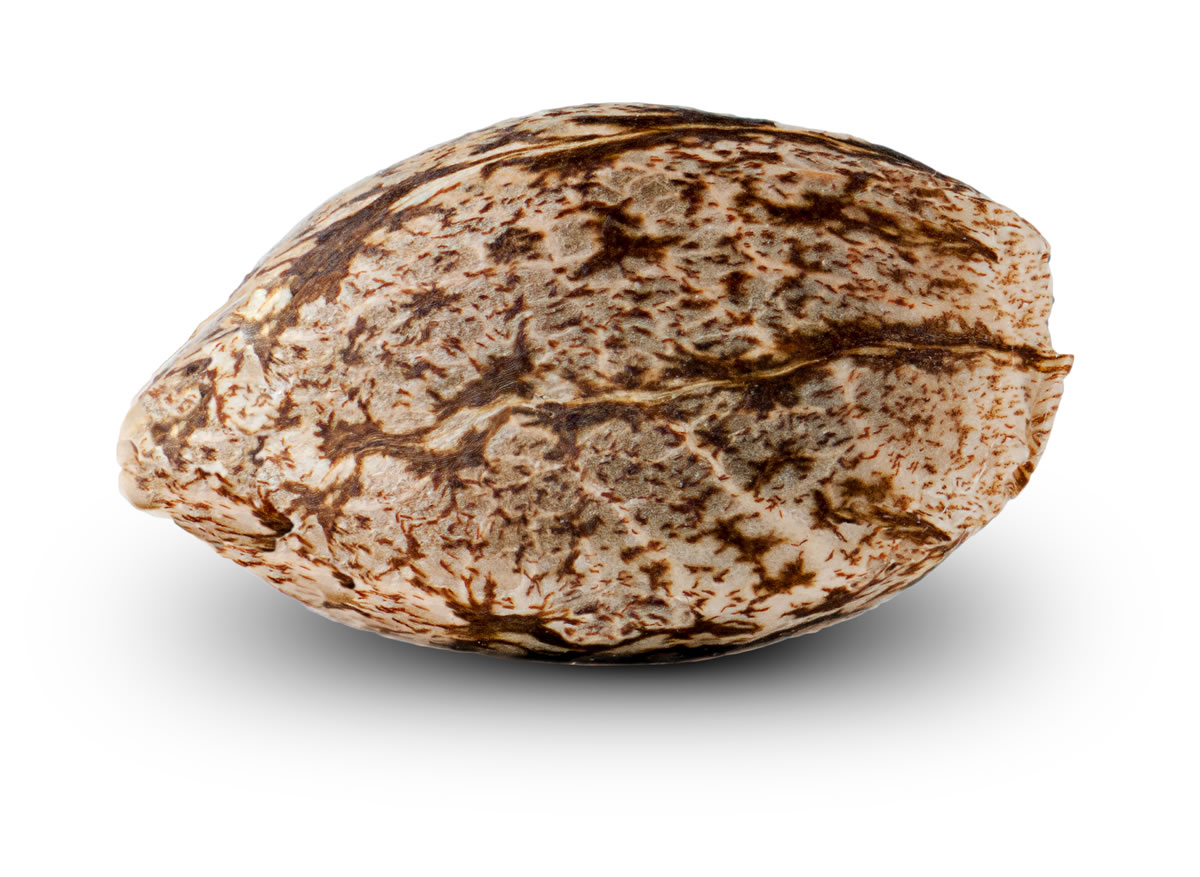
It is precisely for this reason that if we want to preserve our seeds for several years we must avoid activating them prematurely or allowing them to deteriorate, maintaining environmental conditions that keep the seed in its dormant state without compromising its viability.
The three critical factors in seed preservation
To properly preserve cannabis seeds and maintain their germination power intact for years, it is essential to control three critical environmental factors: humidity, temperature, and light. Each of these elements can prematurely activate germination or deteriorate the seed if they are not maintained within appropriate ranges.
If you follow the preservation guidelines we will present below, you will be able to keep your seeds viable and ready to germinate when you decide to start growing your own cannabis plant, even years after acquiring them.
1. Humidity: The silent enemy
As we have mentioned, water is the main trigger for germination. For this reason, it is necessary not only to avoid direct contact with water but also to control the relative humidity of the environment where the seeds are stored.
Optimal relative humidity ranges:
- 10-20%: Ideal range for long-term preservation.
- 20-30%: Safe range recommended by most seed banks.
- Below 10%: Can excessively dry out the seeds, making them brittle and damaging their viability.
- Above 35-40%: High risk of premature germination and appearance of fungi and mold.
Effects of different humidity levels:
Relative humidity affects cannabis seeds in very specific ways:
- 0-10%: Seeds become excessively dehydrated, consuming their own nutrients as a survival mechanism, which drastically reduces their lifespan.
- 10-30%: Optimal range where seeds remain dormant without significant deterioration.
- 30-50%: Seeds begin to absorb moisture from the environment, slowly activating metabolic processes that consume reserves.
- 50-70%: High risk of premature germination, especially if the temperature is also elevated.
- Above 70%: Almost certain germination if there is adequate temperature, or mold appearance if the temperature is low.
Solutions to control humidity:
- Silica gel packets: The most effective method used by professional seed banks. These packets absorb moisture from the environment and retain it, keeping the inside of the container dry. They should be replaced periodically when they become saturated (they usually change color indicating saturation).
- Raw rice: Economical homemade alternative. Place a small container with raw rice wrapped in absorbent paper inside the container. Like silica gel, it should be changed when it reaches its maximum absorption capacity.
- Desiccant salt: Similar to rice, salt absorbs moisture, although it is less efficient.
Important: Our seed containers usually include silica packets that help reduce the humidity of the container. Even so, it is essential to place the container in a naturally dry location.
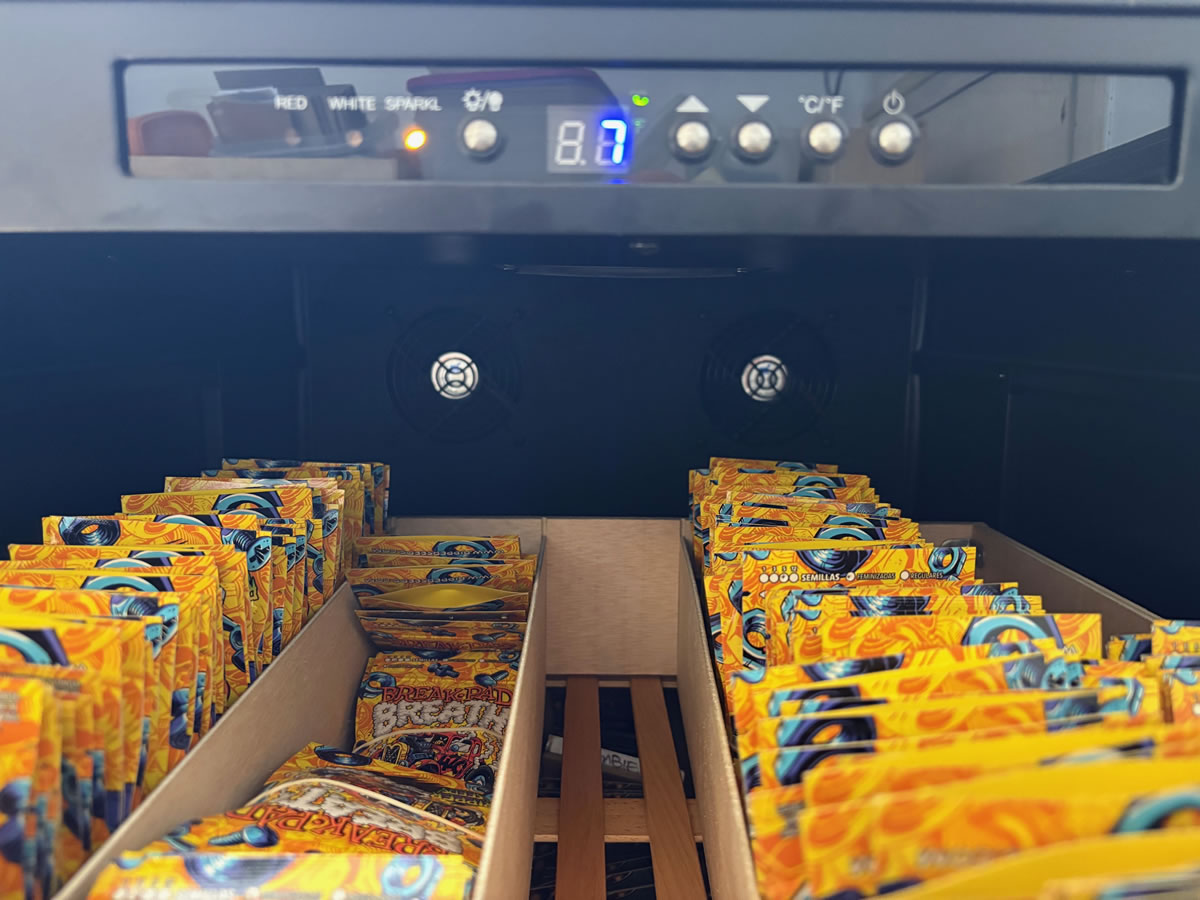
2. Temperature: Maintaining winter sleep
Temperature is perhaps the most important factor in cannabis seed preservation. Seeds in their natural environment accumulate inside the dead plant, preserved by the dry plant mass, protective resin, and, fundamentally, winter cold. In this way, seeds spend a period of 3 to 4 months in deep dormancy, waiting for the first spring rains and the gradual rise in temperatures to germinate.
Optimal preservation temperature:
The goal is to artificially recreate those winter temperature conditions:
- 4-8°C: Ideal range recommended by most experts and professional seed banks.
- 6-8°C: Optimal zone within the range, perfect for long-term preservation (5+ years).
- Below 4°C: Risk of cellular damage from freezing, especially if moisture is present.
- Above 16°C: Significant reduction in seed viability time.
- 20-25°C or higher: Seeds begin to consume their nutritional reserves even without germinating, drastically shortening their lifespan.
Why is this temperature ideal?
At temperatures between 4-8°C, the seed's metabolism slows to a minimum without stopping completely. This means that:
- Degradation enzymatic processes become extremely slow.
- Cellular respiration is reduced to a minimum, preserving nutritive reserves.
- Germination is prevented even in the presence of moderate humidity.
- The genetic integrity of DNA is better preserved.
The importance of thermal stability:
Sudden temperature changes are as harmful as inadequate temperatures. Thermal fluctuations can:
- Generate condensation inside the container (when going from cold to hot).
- Cause cellular stress that deteriorates the embryo.
- Activate and deactivate metabolic processes in an uncontrolled manner.
- Break the cold chain, significantly reducing seed longevity.
For this reason, it is crucial to avoid frequently opening the container where seeds are stored and not place them in places where the temperature varies constantly (such as the door of a refrigerator that is opened many times a day).
3. Light: Protective darkness
The very nature of the plant teaches us that it needs to avoid light for its preservation. In its natural habitat, cannabis plants store seeds inside flower calyxes, covered with a dense layer of resin. This combination of calyxes and resin creates an effective barrier that prevents the seed from coming into direct contact with light and water.
Why does light damage seeds?
Exposure to light, especially to direct sunlight or intense light, causes several harmful effects:
- Compound degradation: Ultraviolet and visible light decomposes proteins, lipids, and other essential compounds stored in the seed.
- Activation of photoreceptors: Seeds contain light-sensitive pigments (phytochromes) that can interpret light exposure as a signal to germinate.
- Temperature increase: Light, especially solar light, raises the temperature of seeds, accelerating their deterioration.
- Loss of viability: Seeds exposed to light for prolonged periods can completely lose their ability to germinate.
Solutions to protect from light:
- Opaque containers: Use containers that do not allow light to pass through (dark opaque plastic, amber glass, metal).
- Double protection: Store seeds in their original container and this inside another opaque container.
- Dark location: Store in naturally dark places such as drawers, closed cabinets, or the vegetable drawer of the refrigerator.
Light deteriorates all types of seeds, so it takes no effort to find a completely dark place for their preservation. Even ambient room light, although it may seem dim, can negatively affect seeds if exposure is prolonged.
Preservation methods according to timeframe
Not all storage situations require the same measures. The ideal preservation method depends on the time you plan to keep the seeds before germinating them.
Short-term preservation (up to 3 months)
If you plan to germinate the seeds in the coming weeks or months, it is not necessary to implement extreme measures:
- Keep in original container: Seed banks ship their products in containers designed for storage (Eppendorf tubes, sealed blisters).
- Location: Store in a dark, cool, and dry drawer or cabinet.
- Temperature: Stable room temperature (18-22°C), avoiding areas with thermal fluctuations.
- Humidity: Naturally dry environment. Optionally, add a small silica packet.
- Precautions: Avoid places near windows, radiators, kitchens, or bathrooms where there are temperature and humidity changes.
Medium-term preservation (3 months - 2 years)
For longer periods, greater care is required:
- Airtight container: Use an airtight tupperware, opaque plastic jar with screw closure, or dark glass jar.
- Humidity control: Include silica gel packets or raw rice wrapped in absorbent paper.
- Location: Lower part of the refrigerator (vegetable drawer) where the temperature is more stable and slightly higher than the rest of the refrigerator.
- Temperature: Constant 6-8°C.
- Light protection: If the container is not completely opaque, store it inside a dark bag or box.
- Important: Avoid opening the container frequently to prevent temperature changes and moisture entry.
Long-term preservation (more than 2 years)
To preserve seeds for 5 years or more while maintaining high germination rates:
- Premium container: Sealed vial, hermetic laboratory tube, or glass jar with quality hermetic closure.
- Desiccant: Multiple silica gel packets, replacing them when they change color (saturation indicator).
- Optional vacuum packaging: Use Mylar bags with zip closure or vacuum bags to eliminate oxygen and moisture.
- Dedicated refrigerator: Ideally, a mini-refrigerator exclusive for seeds that is not opened frequently. No-Frost refrigerators are preferable as they maintain low humidity.
- Temperature: Absolutely constant 4-8°C.
- Monitoring: Use a thermohygrometer (temperature and humidity meter) to verify conditions without needing to open the container.
- Labeling: Clearly label the container with the variety, packaging date, and any relevant information.
- Location: If using a domestic refrigerator, place at the back of the vegetable drawer, as far away from the door as possible.
Freezer or refrigerator?
There is debate about whether seeds can be stored in the freezer. The answer is nuanced:
- Yes, it is possible: The lower the temperature, the slower the rate of metabolic deterioration.
- But it is not necessary: With the right conditions (4-8°C and low humidity), seeds are perfectly preserved for 5+ years.
- Freezer risks: If moisture is present, ice can form that damages cells. Extremely low temperatures can cause cellular stress.
- Condensation problem: When removing seeds from the freezer, the sudden temperature change generates immediate condensation.
- Recommendation: Only use freezer if you have experience, seeds are perfectly dry, and a gradual thawing method will be used.
Recommended containers and materials for preserving marijuana seeds
Best container options:
- Eppendorf tubes or laboratory vials: Ideal for their hermetic closure and compact size. They are used by professional seed banks.
- Dark glass jars with hermetic closure: Excellent option, glass does not transfer odors or chemicals. Prefer amber or cobalt glass.
- Opaque hermetic plastic containers: Ensure they are food-grade quality, BPA-free.
- Mylar bags with zip closure: Ideal for vacuum packaging, completely block light.
- Opaque hermetic tupperwares: Good for larger quantities of seeds.
Materials to avoid:
- Transparent containers: Allow light to pass through.
- Low-quality plastics: Can release chemical compounds.
- Non-hermetic containers: Allow moisture exchange with the outside.
- Paper or cardboard: Absorb moisture and do not adequately protect.
- Conventional zip bags: Not hermetic enough for long term.
Longevity and viability of cannabis seeds
If we take into account all the mentioned aspects and comply with them rigorously, a cannabis seed should be preserved in perfect condition for at least 5 years, maintaining germination rates of 80-90% if it comes from a quality seed bank.
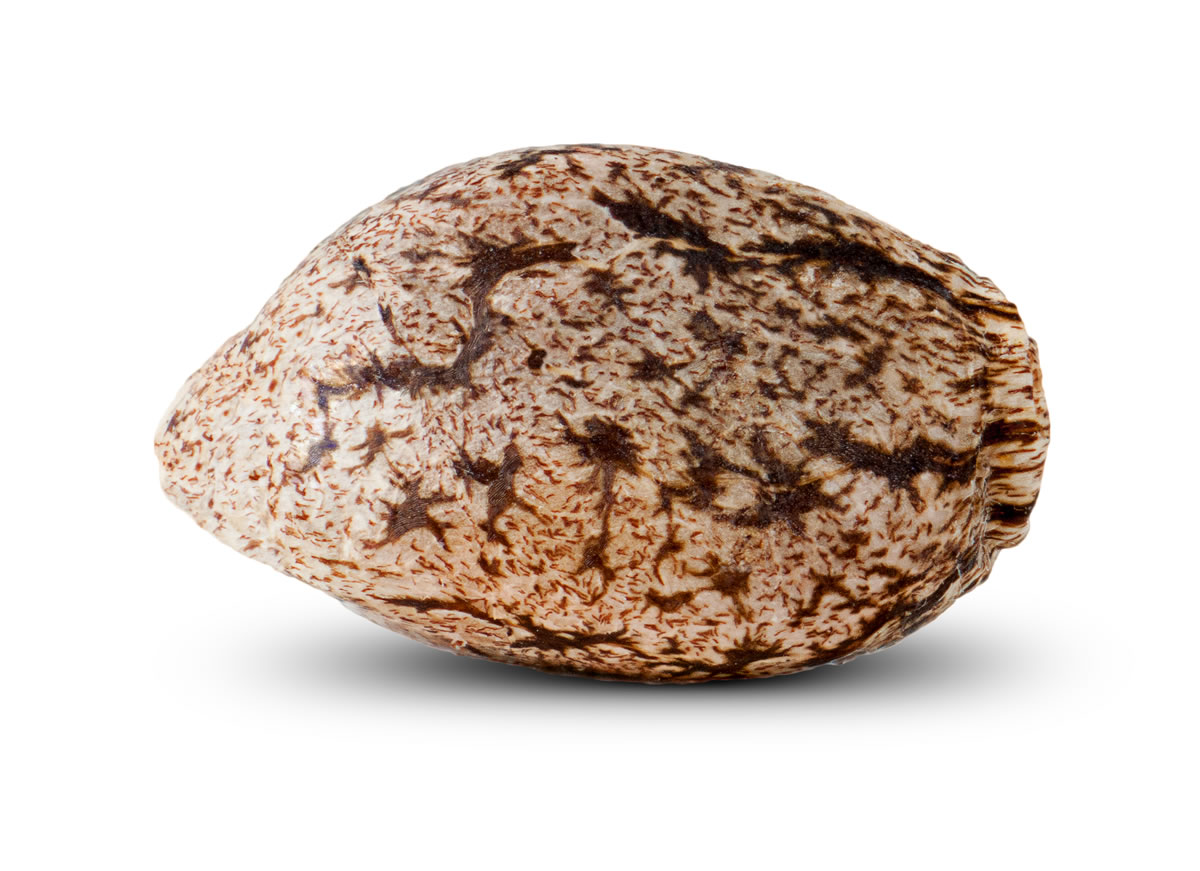
Factors that determine the longevity of marijuana seeds:
- Initial quality: Fresh and well-formed seeds from reputable banks last longer.
- Genetics: Some varieties maintain viability longer than others.
- Storage conditions: The most important factor under your control.
- Maturity at harvest: Seeds completely mature at the time of collection last longer.
What happens over time?
Even under optimal conditions, seeds experience gradual deterioration:
- Years 0-2: Viability practically at 100% if stored correctly.
- Years 3-5: Viability of 80-95%, considered excellent.
- Years 6-10: Viability of 50-80%, may require special germination techniques.
- More than 10 years: Very variable germination rate (10-50%), depends heavily on storage conditions. Requires assistance methods for germination.
It may be the case that seeds germinate even 10 years after their production, but special methods will have to be used to help them and the germination rate will be significantly lower than with fresh seeds.
How to germinate old or stored seeds
If you have seeds that have been stored for a long time, there are several techniques to increase the chances of success:
1. Prior soaking in enriched solutions:
- Carbonated water (with gas): Dissolved CO₂ can help activate enzymatic processes.
- Fulvic acid: Natural germination enhancer that improves nutrient absorption.
- Hydrogen peroxide (H₂O₂): Diluted to 3%, helps soften the shell and provides extra oxygen. Use 1 part H₂O₂ per 10 parts water.
- Gibberellic acid: Plant hormone that stimulates germination. Use with caution following manufacturer's instructions.
Method: Soak seeds for 12-24 hours in a dark place at room temperature (20-22°C).
2. Scarification method:
Old seeds often have a harder and thicker shell. Scarification consists of creating small superficial incisions or scratches in the shell to facilitate water entry:
- Use very fine sandpaper (400 grit or higher).
- Gently rub the seed against the paper.
- Make only 2-3 light passes, do not press hard.
- The goal is to slightly thin the shell, not to pierce it.
3. Paper germination method:
For old seeds, this method allows constant monitoring of progress:
- Moisten two paper napkins or paper towels.
- Place seeds between the two layers of wet paper.
- Put the set inside a container or zip bag.
- Maintain at 24-28°C in total darkness.
- Check humidity daily without manipulating the seeds.
- Germination can take 3-14 days in old seeds.
4. Gentle thermal shock method:
Some growers get good results alternating temperature:
- 12 hours at 20°C followed by 12 hours at 28°C.
- Repeat the cycle for 2-3 days before normal germination.
- This can "wake up" very dormant seeds.
5. Extra patience:
Old seeds simply take longer to germinate. Do not discard a seed until at least 10-14 days have passed without signs of life.
Common mistakes to avoid
- Storing on the refrigerator door: This area suffers the greatest temperature changes each time it is opened.
- Opening the container frequently: Each opening introduces moisture and breaks thermal stability.
- Not using desiccant: Relying only on the refrigerator environment without actively controlling internal humidity.
- Transparent containers: Allow degradation by light.
- Mixing varieties without labeling: You will lose control of what genetics you have.
- Exposure to extreme temperatures: Leaving seeds in the car, near sunny windows, or heat sources.
- Excessive handling: Touching seeds with dirty or moist hands.
- Storing in humid places: Basements, bathrooms, kitchens are inappropriate.
- Ignoring desiccant status: Not changing silica gel or rice when saturated.
- Freezing without adequate preparation: Improvised freezing can damage seeds.
Complete guide to germinating cannabis seeds with a 95% success rate. Includes detailed methods, tips, troubleshooting and a day-by-day calendar. Everything you need.
Best practices for preserving cannabis seeds
- Clean and dry hands: Always handle seeds with completely clean and dry hands, or use gloves.
- Initial inspection: Before storing, inspect seeds and germinate first those with damaged shells.
- Viability test: If you have many seeds of the same variety, germinate 1-2 each year to verify that storage conditions are correct.
- Stock rotation: FIFO principle (First In, First Out) - use oldest seeds first.
- Documentation: Keep records of varieties, acquisition dates, and germination results.
- Gradual thawing: If you remove seeds from cold, let them reach room temperature gradually inside the closed container before opening it (2-3 hours).
- Pest protection: Ensure the storage area is free of insects, rodents, and other pests.
- Shell verification: The shell protects genetics. Prioritize germinating seeds with intact shells.
- Stable environment: Avoid places with extreme seasonal variations such as unconditioned garages or sheds.
Seed preservation: Frequently asked questions
How long can cannabis seeds last?
With optimal storage (4-8°C, 20-30% RH, total darkness), seeds maintain high germination rates (80-90%) for 5 years. They can remain viable between 6-10 years with decreasing rates, and in exceptional cases germinate after 10+ years with special assistance techniques.
Can I store marijuana seeds in the freezer?
Technically yes, but it is not necessary nor recommended for most growers. The refrigerator at 4-8°C is more than sufficient. The freezer presents risks of freezing damage if moisture is present and generates dangerous condensation when removing seeds. Only use if you have experience and adequate equipment.
What is better, conventional or No-Frost refrigerator?
No-Frost refrigerators are superior for storing seeds because they maintain a drier environment by preventing frost formation. Conventional refrigerators tend to have higher relative humidity.
Can I store different varieties together?
Yes, as long as each variety is clearly labeled. You can use compartmentalized containers or individual bags inside a larger container.
How often should I change silica packets?
It depends on the type. Packets with indicator change color (generally from blue to pink) when saturated. Without indicator, change them every 6-12 months. Some silica gel packets can be regenerated by heating them in the oven at 120°C for 2 hours.
Do seeds lose potency over time?
Genetics (THC content, CBD, terpene profile) remain stable. What is reduced is viability and germination vigor, but the plant resulting from an old well-preserved seed will have the same characteristics as a plant from a fresh seed.
Does storage affect the sex of regular seeds?
No. Sex is genetically determined from the moment of seed formation and does not change during storage.
Do I need to buy a special refrigerator?
It is not essential. A domestic refrigerator works perfectly if you place seeds in the vegetable drawer (most stable area) and avoid frequently opening the container. A dedicated mini-refrigerator is only advantageous if you store large or very valuable collections.
Proper preservation of cannabis seeds is a minimal investment of time and resources that can save you a lot of money and frustration in the long term. The three fundamental pillars are to keep seeds cold (4-8°C), dry (20-30% RH), and in complete darkness.
With these basic conditions, your seeds will remain viable for at least 5 years, allowing you to grow your favorite varieties when it best suits you. Remember that the key to success is consistency: seeds tolerate suboptimal conditions better than constant changes.
Invest in quality hermetic containers, some silica gel packets, and a thermohygrometer to monitor conditions, and your seeds will be perfectly protected for the future. The genetics you save today can become tomorrow's exceptional harvest.