
Cannabis (Cannabis sativa) is a dioecious plant, which means it produces male and female flowers on separate plants. For growers, knowing how to differentiate between male and female plants is a fundamental skill that can determine the success or failure of a harvest. In this comprehensive guide, you will learn not only how to identify the sex of your plants, but also when and how to do it effectively.
The importance of cannabis sexing
When we talk about cannabis cultivation for consumption, we are specifically referring to the search for seedless buds, known as "sinsemilla." These buds represent unfertilized female flowers that have concentrated all their energy on producing cannabinoids, terpenes, and resinous trichomes, instead of developing seeds.
Terpenes in cannabis are essential compounds that influence the user experience, from aromas to therapeutic effects. These natural compounds not only give each cannabis strain its character but als...
Male plants, on the other hand, have a clear reproductive function in nature: to produce and disperse pollen to fertilize female flowers. However, in the context of modern cultivation, the presence of males becomes a constant threat to our objectives. A single male plant can release millions of pollen grains that, transported by wind or by our own clothing and tools, can fertilize all the female plants in a crop and even in neighboring crops.
The pollination process dramatically changes the behavior of female plants. Once fertilized, these plants redirect their energy toward seed production, significantly reducing trichome formation and the concentration of active principles. The buds become less dense, less resinous, and considerably less potent. Additionally, the presence of seeds makes the consumption experience less pleasant and enormously complicates the processing of plant material.
Anatomy and sexual development of cannabis
The sexual development of cannabis follows a predictable pattern that we can learn to recognize. Plants reach their sexual maturity approximately between six and eight weeks after germination, regardless of the photoperiod under which they are found. This is a fundamental concept that many growers overlook:
Plants do not need to be in flowering to show signs of their sex.
Characteristics of male marijuana plants
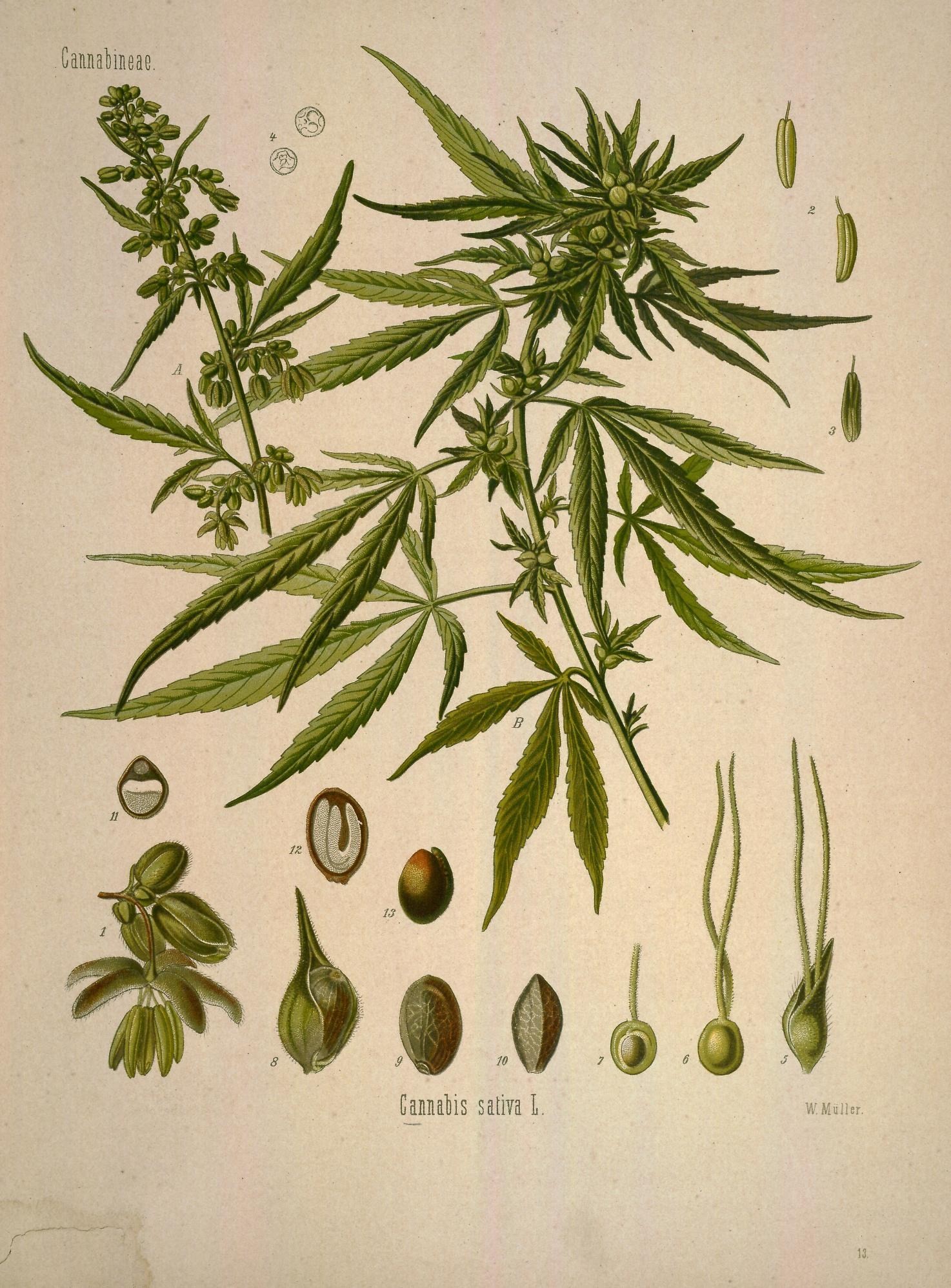
Male cannabis plants develop what we know as staminate flowers, which appear in the form of small hanging structures grouped in clusters called panicles. These flowers have a characteristic shape that resembles small bells or inverted rugby balls. At first they appear as tiny green protrusions at the nodes of the plant, but they quickly develop and become more evident.
A distinctive characteristic of male flowers is that they hang downward from the nodes, unlike female flowers which tend to point upward. When these flowers mature, they open in a five-pointed star shape, revealing the pollen-laden stamens. The moment of pollen release is critical: once the flowers open, pollen can disperse immediately, so identification must be done before this occurs.
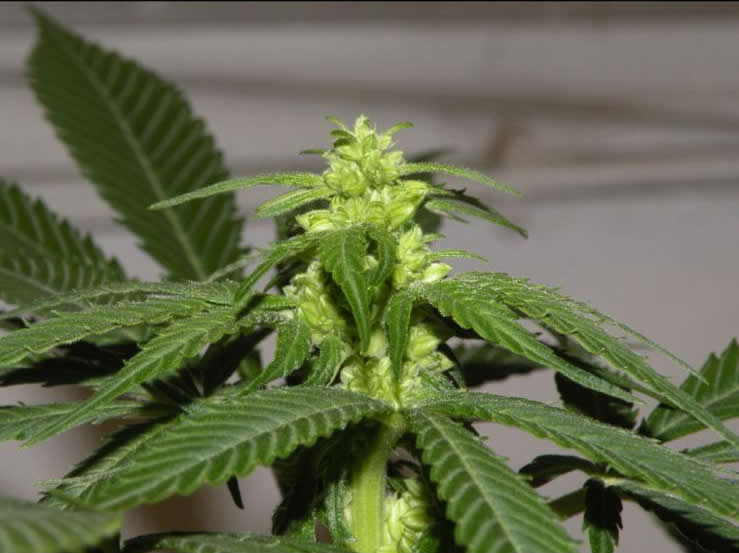
Male plants also tend to show certain growth patterns that can serve as early indicators. They frequently grow taller and more vigorously during the first weeks of life, developing longer internodes and a more open structure. However, these indicators are not definitive and should not be used as the only identification method.
Characteristics of female marijuana plants
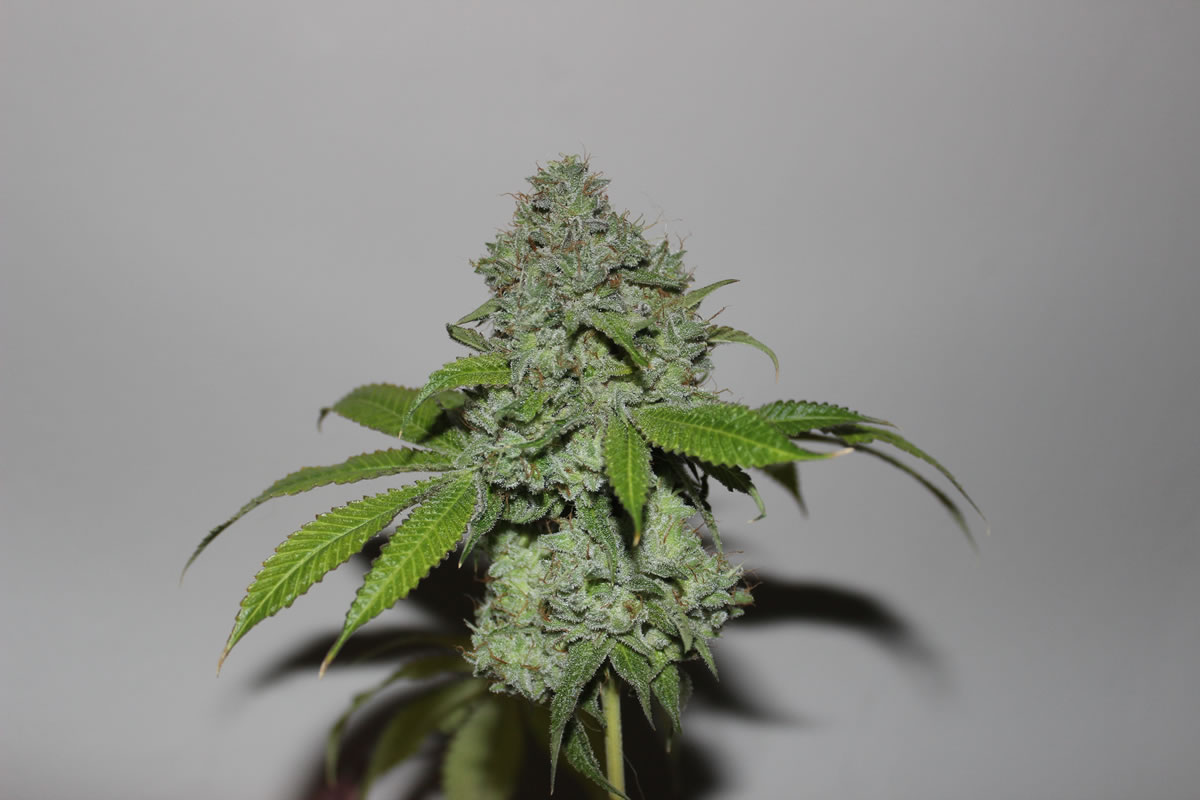
Female plants develop pistillate flowers that are completely different in appearance and structure. These flowers are characterized by the presence of teardrop-shaped calyxes from which two stigmas emerge, commonly called pistils, which are initially bright white in color.
Female calyxes appear at the nodes of the plant, but unlike male flowers, these point upward and progressively group together to form what we know as buds. The pistils protrude from each calyx like small white threads that, over time, can change color to yellow, orange, red, or brown tones depending on genetics and growing conditions.
A notable characteristic of female plants is that they develop trichomes from very early in the flowering process. These trichomes, which contain the cannabinoids and terpenes we seek, will begin to cover the calyxes and surrounding leaves, giving the flowers a bright and resinous appearance that we will never see in male plants.
Sexual identification of cannabis
Early detection, before flowering
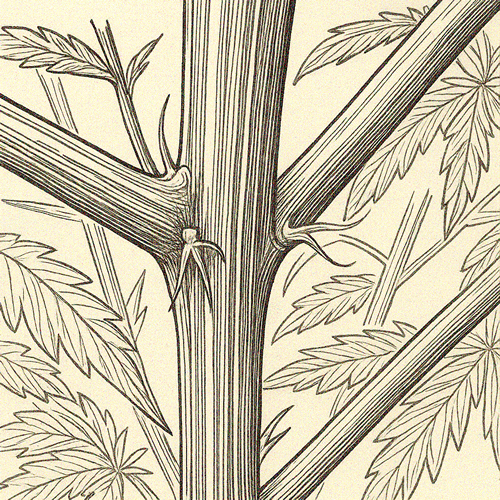
Early sex detection represents one of the most valuable skills a grower can develop. As we mentioned earlier, plants reach sexual maturity around six to eight weeks after germination, at which point they will begin to show what we call "preflowers" at the upper nodes.
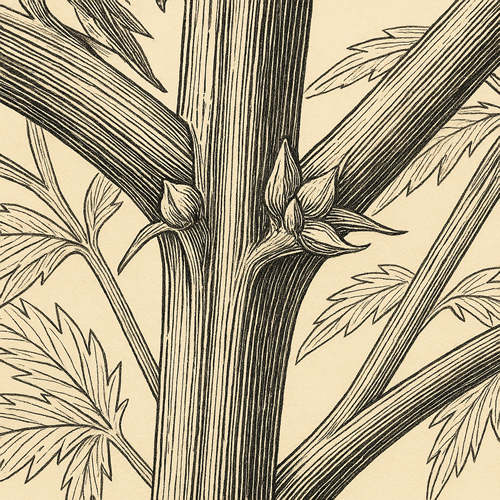
These preflowers are miniaturized versions of future reproductive flowers and typically appear at the nodes where lateral branches grow from the main stem. In female plants, we will see small calyxes with tiny white pistils, while in males we will observe small hanging structures without pistils.
Early detection offers significant advantages, especially in outdoor crops where plants can grow for months before naturally entering flowering. Identifying and eliminating males early allows female plants to have more space, light, and nutrients, resulting in larger and more productive specimens.
Identification during flowering
Although early detection is ideal, many times we will have to identify the sex of our plants once they have entered flowering. This period requires constant and meticulous vigilance, since male flowers can develop and open in a matter of days.
During the first weeks of flowering, one of the first signs we will observe is the loss of symmetry in node growth. In vegetative growth, branches tend to grow in opposite pairs, but when flowering begins, this pattern changes to alternating growth, preparing the plant's structure for the development of long floral colas.
It is during this period that sexual differences become more pronounced and easier to identify. Male flowers develop rapidly and are generally more evident than female ones in the early stages. This is an advantage for the grower, as it allows identifying and eliminating males before they represent a real threat.
The challenge of hermaphroditism
One of the most challenging complications in cannabis sexing is the appearance of hermaphrodite plants. These specimens can develop both male and female flowers, and represent a unique threat because they can go unnoticed during routine inspections.
Hermaphroditism in cannabis can be genetic or stress-induced.
Genetic hermaphroditism is relatively rare and occurs when the plant has a natural predisposition to develop both types of flowers. These specimens usually show early signs of their dual nature and, once identified, should be eliminated immediately.
More common is stress-induced hermaphroditism, which can affect even plants that initially showed a clearly female sex. Stress hermaphroditism occurs 15 days after the stress factor. This type of hermaphroditism can be caused by various factors:
- Sudden changes in photoperiod
- Extreme temperatures
- Water stress
- Physical damage
- Nutritional problems
- Overpopulation
- Lack of adequate defoliation
Stressed plants can develop male flowers as a survival mechanism, attempting to self-pollinate to ensure the continuity of their genes.
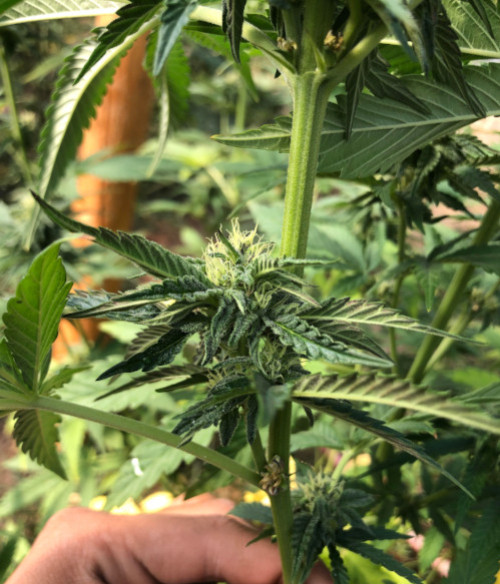
Why do some cannabis plants become hermaphrodites? Learn what causes it, how it affects your crop, how to avoid it, and which genetics are more or less stable.
Late hermaphroditism is particularly problematic because it can appear in the last weeks of flowering, when the buds are almost mature. In these cases, plants can develop what is commonly known as "bananas" or "nanners" - exposed stamens that emerge directly from the buds without forming the typical complete male flowers. These male flowers rarely fertilize female flowers, since they appear too late but should be removed.
Tip: In case "bananas" appear, it is advisable not to move the plant under any circumstances. We proceed to remove them by spraying the male flowers with water, put a plastic bag over the plants and take them outside. Water clumps the pollen and prevents it from sticking.
Advanced marijuana sexing techniques
The cutting method for sexual determination
A particularly useful technique for outdoor crops or situations where we need to know the sex of our plants without altering their natural cycle is the cutting method. This technique involves taking small cuttings from each mother plant, rooting them, and then inducing their flowering under a photoperiod of 12 hours of light and 12 hours of darkness.
The cuttings, being genetically identical clones to the mother plant, will show the same sex as the mother. Once the cuttings have rooted adequately, the photoperiod change will quickly lead them to flowering, revealing their sex in one or two weeks. This information then allows us to identify which mother plants in our main crop are male and which are female, without altering the natural growth cycle of the main plants.
Microscopic observation and precision tools
For growers seeking maximum precision in sexual identification, magnification tools can be invaluable. A 10x to 30x magnifying glass can reveal preflower details that are difficult to appreciate with the naked eye, allowing for earlier and more accurate identification.
Microscopic observation is particularly useful when working with genetics that tend to show sex late or subtly. It also allows us to detect early signs of hermaphroditism that might go unnoticed in a routine visual inspection.
Special considerations according to cultivation type
Indoor cultivation
Indoor cultivation offers unique advantages for sexual identification. Complete control over environmental conditions allows maintaining plants in optimal conditions for clear and early sexual expression. Controlled photoperiod also allows manipulating the timing of flowering according to our needs.
However, the limited space of indoor cultivation makes early elimination of males even more critical. Each eliminated male plant frees up valuable space that can be used by the remaining female plants. Additionally, in closed spaces, the risk of cross-pollination is higher, since pollen can accumulate and circulate through ventilation systems.
Outdoor cultivation
Outdoor cultivation presents its own challenges and opportunities for sexing. On one hand, plants have more space to develop naturally, which can facilitate observation of their sexual characteristics. Slower development also provides more time for identification before males represent a threat.
However, the variable conditions of outdoors can complicate identification. Changes in temperature, humidity, and light can affect the sexual expression of plants. Additionally, pollen dispersion by wind is a much more significant factor outdoors, requiring even earlier identification and elimination of males.
In outdoor cultivation, depending on the growing area, fertilization of flowers by cross-contamination from neighboring fields can be common. Pollen can travel many kilometers.
Guerrilla cultivation
Guerrilla cultivation, where plants are grown in remote locations with sporadic visits, presents the greatest challenges for sexing. The impossibility of performing daily inspections during flowering requires special strategies.
In these cases, the cutting method for sexual determination becomes especially valuable, allowing us to know the sex of plants before they enter natural flowering. The use of feminized seeds is also crucial to minimize the risk of male plants in locations that cannot be monitored regularly.
Common mistakes and how to avoid them
One of the most common mistakes among novice growers is the confusion between normal vegetative structures and preflowers. Swollen nodes, prominent stipules, and new shoots can be confused with sexual signs, leading to premature eliminations or retention of male plants.
Another frequent error is late identification. Many growers wait until sexual differences are obvious, at which point it may be too late to prevent pollination. The key is developing the ability to recognize subtle early signs.
Late hermaphroditism represents another common challenge. Plants that showed clearly female characteristics for weeks can develop male flowers under stress, especially during the last weeks of flowering. This requires constant vigilance throughout the entire cultivation cycle.