
One of the most common mistakes in cannabis cultivation isn't about which fertilizer you use, or even pH or EC. The real problem usually lies in how often you water. Watering frequency is a critical factor that directly affects root development, nutrient absorption, substrate oxygenation, and ultimately, the yield and final quality of your harvest.
In this article we address watering frequency from a technical and practical approach: broken down by cultivation phases, substrate type, and environmental conditions. We're going to debunk the most common myths and give you clear criteria to make the right decisions.
What watering frequency really is (and what it isn't)
One of the most common mistakes is confusing frequency with quantity. Watering frequency doesn't refer to the volume of water you apply at each watering, but rather how often you repeat that watering and how you distribute water throughout the day or week.
Two grows can receive exactly the same total volume of water per day and behave completely differently if that volume is applied in a single watering or spread across several smaller waterings. The difference isn't in the total amount of water, but in how that water interacts with the substrate and roots.
Watering frequency determines:
- The level of oxygen available in the rhizosphere
- The stability of EC in the substrate
- The roots' ability to absorb nutrients
- Growth rate and the plant's physiological response
What happens when you water too frequently
Overwatering keeps the substrate constantly saturated, displacing air from the pores and drastically reducing root oxygenation. Although the plant receives water and nutrients continuously, roots cannot function without oxygen.
Consequences of excessive frequency:
- Lack of oxygen in the rhizosphere, which reduces root respiration
- Nutrient lockouts, especially of calcium, magnesium, and micronutrients
- Progressive salt accumulation, as there are no drying cycles to balance the substrate
- Poorly functioning roots: shorter, less branched, and less efficient
It's common to observe apparent deficiencies even when fertilization is correct. The problem isn't in the nutrient, but in the root's inability to absorb it.
What happens when you water too infrequently
At the opposite extreme, too low a frequency causes prolonged periods of dryness. This generates water stress and alters the chemical balance of the growing medium.
Effects of insufficient frequency:
- Repeated water stress, which slows growth and activates defensive responses
- Sharp EC fluctuations, as salts concentrate when water is scarce
- Reduced root activity and lower nutrient absorption
- Loss of production and quality, especially in flowering
Additionally, extreme dry-wet cycles can damage fine roots, responsible for most of the absorption.
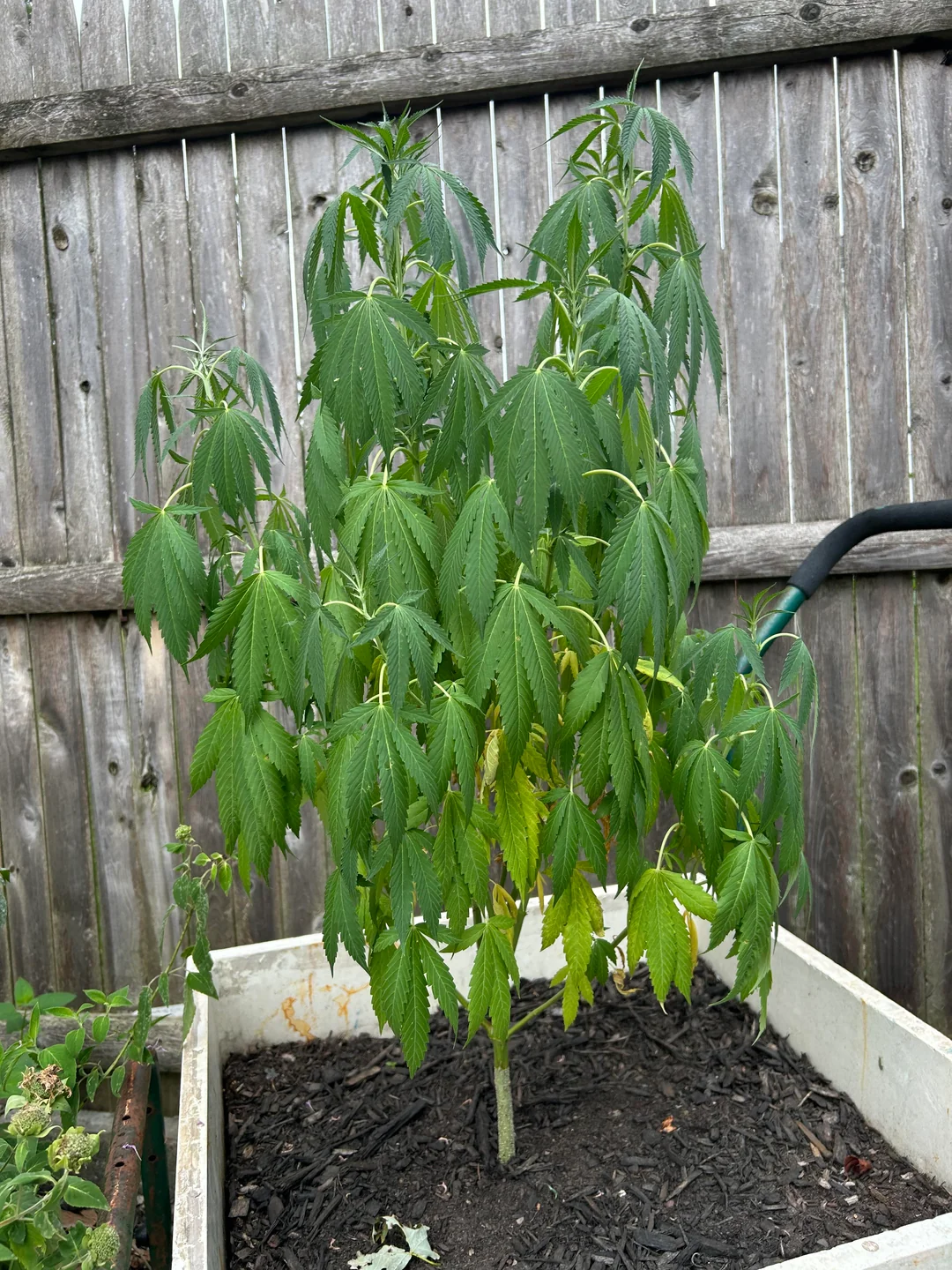
The real goal: water better, not more or less
The goal of a good watering strategy isn't to increase or reduce water volume, but to adjust frequency to maintain an optimal balance between water, nutrients, and oxygen.
A well-managed watering frequency:
- Keeps the substrate active and oxygenated
- Stabilizes EC and pH in the root zone
- Promotes healthy, functional, and efficient roots
- Allows the plant to express its full genetic potential
The relationship between watering frequency and root health
The cannabis root system is the operational center of the grow. Everything that happens in the aerial part—growth, flowering, production of terpenes and cannabinoids—depends on the roots' ability to efficiently absorb water and nutrients.
To function properly, roots need three elements in constant balance:
- Water as a transport medium
- Dissolved nutrients in assimilable form
- Oxygen for root respiration
This balance is affected with each watering. When you apply water to the substrate, part of the air present in the pores is displaced. This process is normal and necessary, but it only works if the substrate has enough time between waterings to reoxygenate.
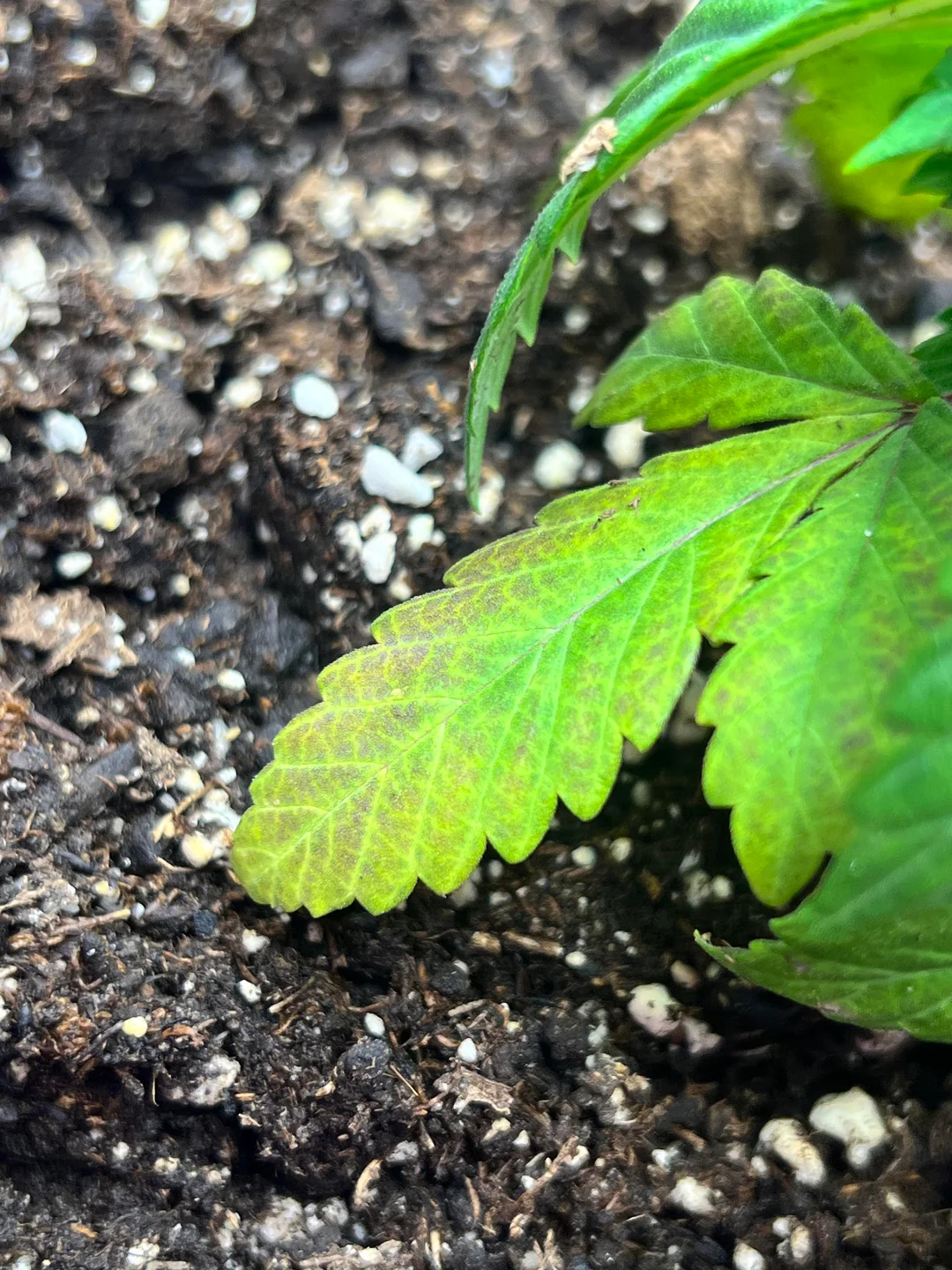
What happens in the rhizosphere when frequency fails
If you water too frequently, the substrate remains saturated for prolonged periods. Gas exchange is reduced and roots enter an environment with low oxygen content.
When root respiration is limited:
- Root metabolic activity decreases
- Nutrient absorption is reduced, even with adequate EC
- Risk of lockouts and ionic imbalances increases
- Roots become less active and less branched
This explains why many growers observe calcium, magnesium, or microelement deficiencies without there being an actual problem in the nutrient solution. The nutrient is there, but the root cannot capture it.
Watering frequency and functional root development
A well-adjusted frequency promotes balanced cycles of moisture and oxygenation. These cycles stimulate the formation of fine, active roots, the main drivers of absorption.
When watering is well managed:
- Roots branch better, increasing absorption surface
- Uptake of calcium, magnesium, and micronutrients improves
- Lockouts and toxicities are reduced by maintaining a stable root environment
- Substrate EC remains more constant, avoiding harmful spikes
Healthy roots, balanced plant
A well-oxygenated and active root responds better to nutrition, tolerates environmental changes better, and maintains more homogeneous growth throughout the cycle. Conversely, a stressed root limits the genetic potential, regardless of fertilizer quality or aerial environment.
Watering frequency doesn't just control water supply: it defines the quality of the root environment. Adjusting it correctly is one of the most effective tools to maintain healthy roots and, with it, more productive, stable, and expressive plants.
Watering frequency by cultivation phases
Watering frequency cannot be fixed throughout the entire cycle. As the plant grows, its root system, foliage mass, transpiration, and absorption capacity change. Adjusting frequency at each phase is fundamental.
Germination and seedling
In the early phases, the root system is extremely small and fragile. The priority isn't to soak the substrate, but to stimulate root exploration.
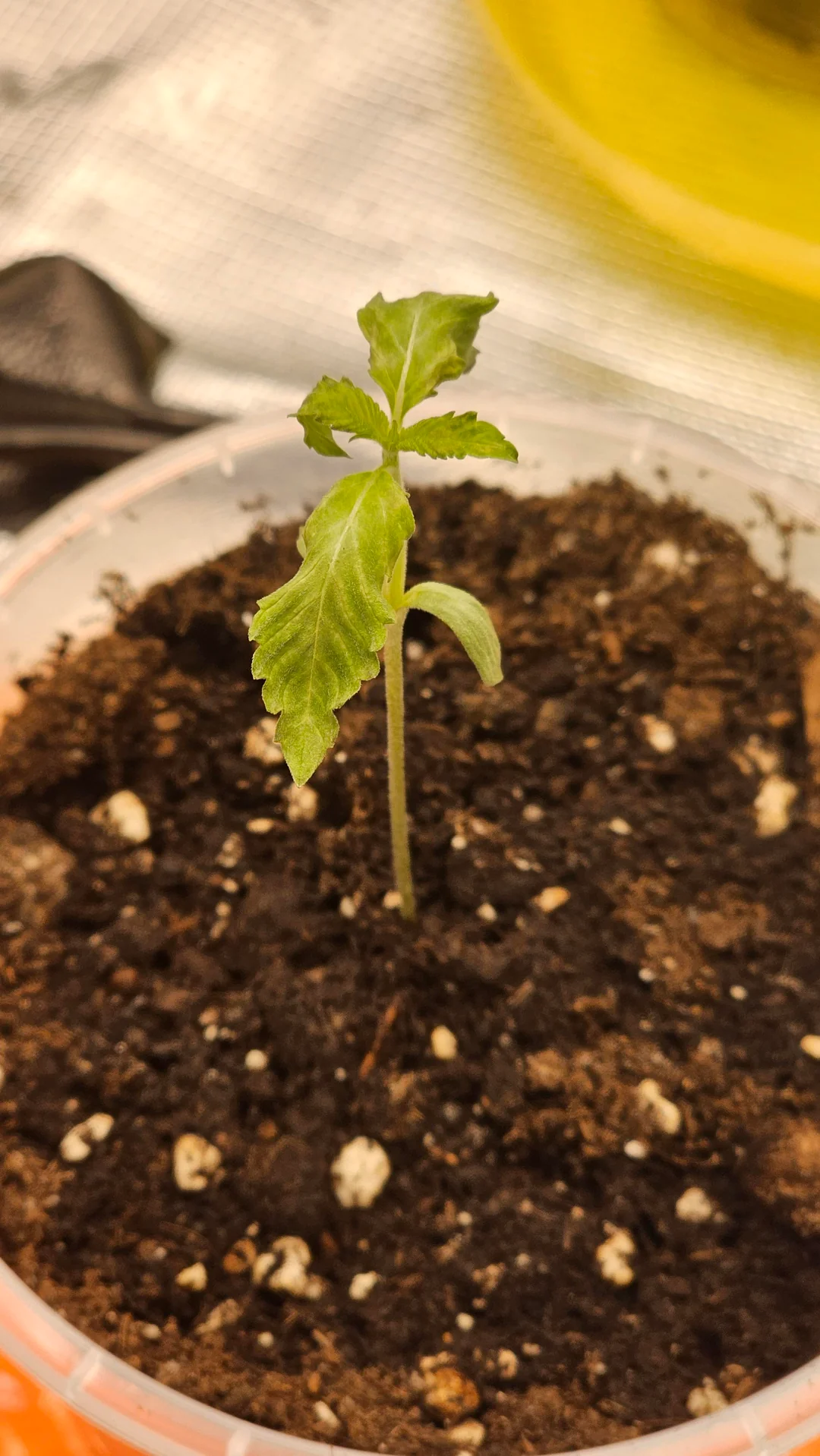
Technical recommendations:
- Localized and light waterings, close to the stem
- Avoid saturating the entire pot volume
- Maintain constant moisture, never waterlogging
- Favor substrate oxygenation
Watering the entire container from the start causes lazy and poorly branched roots, dependent on excess moisture, which generates problems in later phases.
Vegetative growth
During vegetative growth occurs the true construction of the root system. Here the plant's future absorption capacity is defined.
Technical keys:
- Allow moderate wet-dry cycles
- Water when the substrate has lost part of its moisture, not when it's completely dry
- Adjust frequency according to temperature, VPD, plant size, and substrate type
A very common mistake in this phase is watering by calendar instead of watering according to the actual state of the substrate and the plant.
Pre-flowering and stretch
During the stretch, water consumption increases notably due to rapid cellular growth and increased transpiration.
Recommended strategy:
- Slightly increase watering frequency
- Maintain good substrate oxygenation
- Especially monitor salt accumulation, particularly in coco grows
Many problems that appear in flowering originate here, when watering frequency doesn't adapt to the actual increase in water demand.
Mid-flowering
In mid-flowering, the plant reaches its maximum water and nutrient consumption. Stability is key.
Critical points:
- Maintain a regular and constant frequency
- Avoid large moisture fluctuations in the substrate
- Monitor runoff EC if working with mineral fertilization
Incorrect frequency in this phase directly affects the size, density, and structure of flowers, in addition to increasing the risk of nutrient lockouts.
Late flowering
As the plant matures, its water consumption begins to decrease. Forcing excessive waterings at this stage is counterproductive.
Practical recommendations:
- Slightly reduce watering frequency
- Avoid constantly soaked substrates
- Facilitate more uniform ripening
Excess watering at the end of flowering can negatively affect final quality, aromatic expression, and harvest structure.
Watering frequency according to substrate type
Soil
- Lower watering frequency
- High water retention
- Greater risk of root asphyxiation if overwatered
Coco
- Higher watering frequency
- Excellent root oxygenation
- Requires precise EC control and salt accumulation
Inert systems (rockwool, slabs)
- High and very controlled frequency
- Total dependence on irrigation management
- Ideal for technical grows and automated systems
Common mistakes when watering cannabis
- Always watering at the same time "because it's time"
- Confusing occasional wilting with actual watering need
- Not adapting frequency to climate or VPD
- Thinking more waterings equal more growth
- Ignoring the actual state of substrate and roots
How to know if watering frequency is correct
Positive signs:
- Constant and vigorous growth
- Firm leaves with good turgor but without rigidity
- White, active, and well-branched roots
- Stable and predictable substrate EC
Warning signs:
- Drooping leaves with substrate still moist
- Deficiencies that don't respond to fertilization
- Salt accumulation in substrate
- Slow growth despite correct nutrition
Watering frequency and final quality
Proper management of watering frequency not only impacts yield, but also key aspects of final quality:
- Terpene production
- Genetic expression
- Floral structure
- Harvest uniformity
Watering frequency is a silent but determining tool for obtaining the maximum potential of a genetic. When mastered, the grow stops being reactive and becomes truly controlled.