
Hash rosin is the highest-quality solventless concentrate you can produce at an artisanal level. It applies the same principle as flower rosin — heat and pressure, no chemicals — but starts from an already concentrated material: bubble hash or dry sift instead of flower. That difference in starting material changes everything: pressing parameters, required equipment, yields and the final result.
The key to hash rosin is not the pressing technique but what you press. The process can be perfectly executed and the result still be mediocre if the starting material is low quality. Understanding this before you begin prevents frustration and focuses effort where it actually matters.
This article covers the complete process: material selection and evaluation, required equipment, pressing parameters, step-by-step process, curing, storage and common mistakes. For anyone who hasn't made rosin before, the starting point is the introduction to flower rosin, which covers the fundamentals of the process and basic equipment.
Starting material for hash rosin
The starting material sets the ceiling on the result. No adjustment of temperature, pressure or curing technique compensates for low-quality bubble hash. It is the single most important factor in the entire process.
Bubble hash
Bubble hash — also known as iceolator or ice water extraction — is obtained by separating trichomes from the plant using ice water and mechanical agitation, then filtering the result through meshes of different micron sizes. Each micron range produces material with different characteristics.
.jpg)
For hash rosin, the useful ranges are the intermediate ones: between 73 and 120 microns. These ranges concentrate complete glandular trichomes with greater purity and produce the best balance between yield and quality. Material above 120 microns contains more plant impurities and produces a darker rosin with lower aromatic quality. Material below 45 microns is too fine and makes the pressing process difficult.
Within that useful range, the standard classification is:
- 73–90 microns: mid-grade quality. A solid starting point for beginners. Produces good-quality hash rosin with standard parameters.
- 90–120 microns (full melt): high quality. More complete trichomes, greater purity, better terpene profile.
- Six-star / top-grade full melt: the reference material for hash rosin. Melts completely under heat without leaving residue. Produces the cleanest and most aromatic result, but is the most difficult and costly to obtain.
The most straightforward way to evaluate bubble hash quality before pressing is the melt test: place a small amount on a warm surface at around 70°C and observe how it behaves. High-quality material melts cleanly, bubbles evenly and leaves no dark solid residue. If it leaves residue or doesn't melt, the material has significant plant impurities.
The complete process for making bubble hash is covered in the article on iceolator and ice water extraction.
Dry sift
Dry sift is kief obtained through dry mechanical sieving using fine-micron screens. For hash rosin, the purest grades are used, generally below 73 microns. As with bubble hash, quality varies considerably depending on the starting material and the sieving process.
The melt test applies equally to dry sift and is the best indicator of whether the material justifies a quality press. Dry sift that fails the test — that doesn't melt cleanly or leaves dark residue — will produce hash rosin with impurities and lower aromatic quality. In that case there are two options: press it anyway accepting a lower-quality result, useful for cannabis cooking or topical preparations, or set it aside for flower rosin tech blended with flower, where impurities have less impact on the final result.
Due to its drier texture, dry sift tends to require slightly longer preheating times than equivalent bubble hash. The remaining parameters are comparable.
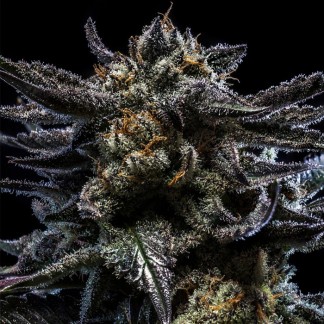
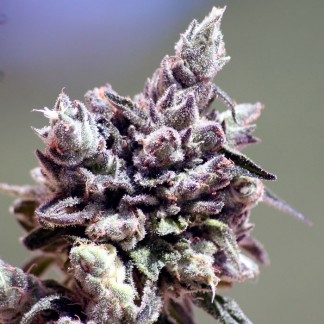
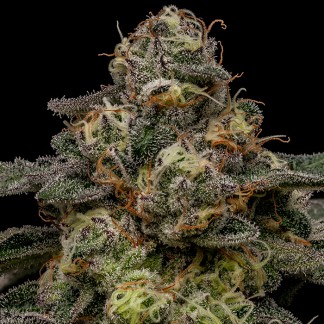
Strains with high trichome density and a pronounced resinous profile respond best to the bubble hash and hash rosin process. Some Ripper Seeds genetics are particularly well suited for extraction:
Fresh frozen and live rosin
Bubble hash made from fresh frozen material — plant frozen immediately after harvest, without going through drying or curing — produces hash rosin with the most complex terpene profile. Freezing the plant at the moment of harvest preserves aromatic compounds that the conventional drying process degrades or eliminates. The result of pressing this bubble hash is known as live rosin, and it is the highest possible quality artisanal concentrate.
The fresh frozen technique, what it involves in terms of material preparation and handling, and why it better preserves terpenes:
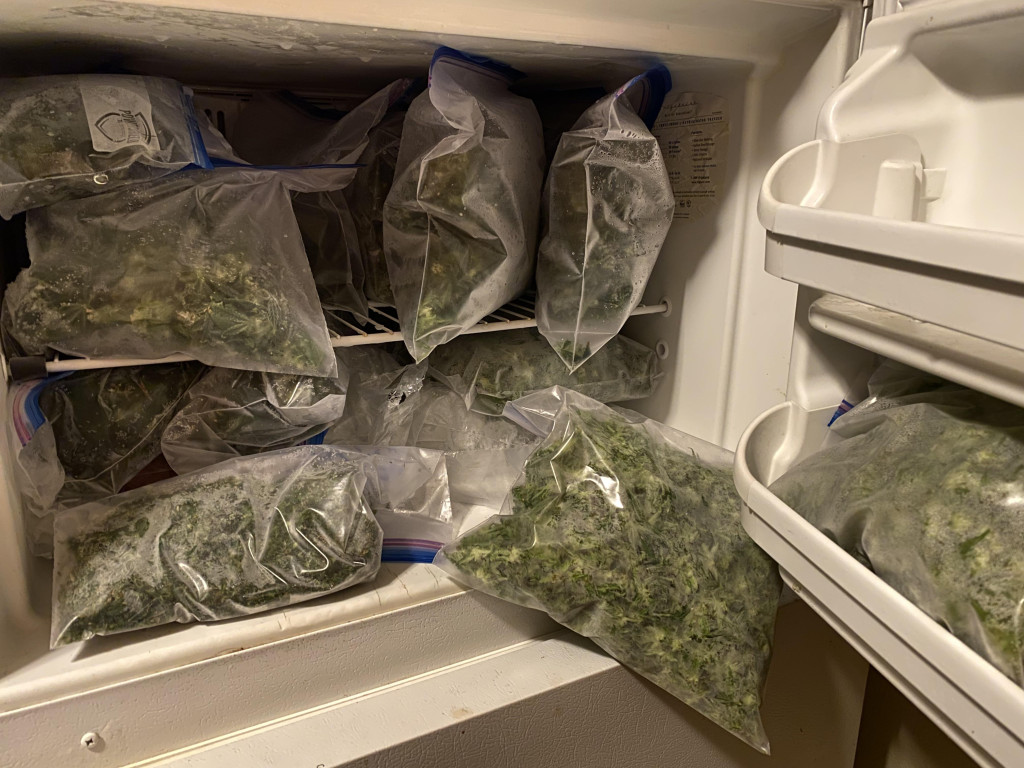
Fresh Frozen consists of freezing the plant right after cutting to stop oxidation and enzymatic activity. This preserves more than 90% of the terpene profile, the foundation of quality Live Rosin a...
Equipment and materials for hash rosin
The press
Hash rosin requires a press with precise thermal control. This is the most important requirement and the one that most distinguishes hash rosin from flower rosin at the equipment level.
With flower rosin, a few degrees of temperature difference has limited impact. With hash, working at 60°C instead of 70°C can be the difference between a high-quality result and a mediocre one. Screw presses without a calibrated thermostat are not suitable for quality hash rosin for this reason: they don't guarantee the thermal stability required. A hydraulic or pneumatic press with temperature-controlled plates and a pressure gauge is the minimum recommended equipment.
Plate size also matters. For the quantities typical in domestic hash rosin production — between 1 and 5 g per press — small plates (10×10 cm or less) distribute pressure more evenly than large plates designed for flower.
Bags for hash
The micron rating of bags for hash rosin is significantly finer than for flower rosin. The goal is to allow only resin to flow through while retaining any plant material.
The most commonly used ranges:
- 25 microns: the standard for quality hash rosin. Minimises the passage of impurities without significantly reducing yield.
- 15–20 microns: for top-grade material where the cleanest possible result is the priority. Yield may be slightly lower.
- 37–45 microns: for mid-grade material or when yield is prioritised over result cleanliness.

In terms of physical format, smaller bags are used with hash than with flower. The most common formats for home production are 1"×2" for 1–2 g presses and 2"×4" for presses up to 5 g. Using a format that is too large for the amount of material makes even pressing difficult and reduces yield.
Bag loading should be conservative. Hash is a dense, compact material — too much material makes it harder for the resin to flow and increases the risk of blowout. As a reference, between 1 and 3 g per bag depending on the format.
Double bagging: To minimise the risk of blowout, many extractors use the double bag technique. It involves placing the 25µ bag (containing the material) inside a larger-micron bag (e.g. 160µ). This acts as structural reinforcement, particularly useful in hash rosin due to the low viscosity of the material once melted under pressure.
Parchment paper and collection tools
Parchment paper must be high enough quality to withstand pressure without tearing or shedding fibres. Low-quality paper is one of the most common sources of extract contamination. Cut with a minimum 3 cm margin on each side of the bag so the rosin doesn't escape from the edges during pressing. Replace the paper with each press.
For collection you will need a dabber or steel blade, powder-free nitrile gloves and a suitable container. Glass (borosilicate) is the preferred option for curing and long-term storage, as it is an inert material that does not absorb terpenes. However, for immediate handling or daily use, food-grade silicone containers are a widely accepted standard due to their non-stick convenience. In any case, never handle rosin directly with bare fingers — skin oils contaminate the extract and affect its stability over time.
Parameters: temperature, pressure and time
Hash rosin parameters differ from flower rosin across all three axes: lower temperatures, lower initial pressure and longer pressing times. The underlying logic is the same — lower temperature preserves terpenes — but the margin for error is narrower.
Reference parameter table
| Material | Temperature | Initial pressure | Time |
|---|---|---|---|
| Six-star bubble hash / live rosin | 45–55°C | Minimal — plates in contact without compressing | 3–5 min |
| Full melt bubble hash (90–120µ) | 55–65°C | Low — 300–500 PSI maximum | 2–4 min |
| Mid-grade bubble hash (73–90µ) | 65–75°C | Low-medium | 2–3 min |
| Quality dry sift | 50–65°C | Minimal-low | 2–4 min |
These values are starting points, not absolutes. Each strain and each batch of material responds differently. Fine-tuning happens press by press, observing how the material behaves.
Why temperatures are lower than in flower rosin
Flower rosin is typically pressed at 75–85°C. With hash, sustained temperatures above 75°C rapidly degrade terpenes and darken the result. The reason is that bubble hash and dry sift are already concentrated material, without the plant structure of flower that acts as a thermal barrier. The trichomes are directly exposed to heat from the plates, making the process more efficient but also more sensitive.
Some extractors work with six-star material at temperatures as low as 35–40°C to preserve the terpene profile to the maximum. At those temperatures the process requires up to 8–10 minutes and a press with very precise thermal control. For home production, 45–55°C is a more realistic starting point.
Pressure in hash rosin
Pressure is applied in two distinct phases, and respecting that sequence is critical.
Preheat phase: minimal pressure while the material reaches working temperature. For top-grade material, the plates should rest in contact with the bag without compressing it — without the gauge registering any reading. For mid-grade material, up to 300–500 PSI maximum. The goal of this phase is to melt the bag contents so they can flow. Applying high pressure before the material has melted causes a sudden release that can burst the bag.
Extraction phase: once the material starts to flow — moisture is visible on the outside of the bag — increase pressure slowly and progressively, matching the pace at which the rosin is coming out. When flow stops, gradually increase to a maximum of 700 PSI to extract the remaining material without breaking the bag.
Technical note on pressure: The 700 PSI referenced is the effective pressure on the material (Platen PSI). To calculate it, divide your press force by the bag surface area. For example, a 10-tonne press over a small bag applies a massive pressure that could burst the mesh if the gauge is not adjusted downward.
Quick Platen PSI formula:Total press force (lb) / Bag surface area (square inches) = actual PSI on the material.
Reference yields
Hash rosin yields are higher than flower rosin yields because the starting material is already concentrated resin. As a reference for home production with standard equipment:
- Six-star bubble hash / live rosin: 50–65%. The 70–80% ceilings commonly cited apply to professional extractors with high-pressure equipment and exceptional material.
- Quality full melt (90–120µ): 40–60%
- Mid-grade (73–90µ): 35–55%
- Quality dry sift: 45–65%
The factors that most influence results within each range are, in order of impact: starting material quality, press thermal stability and respect for the preheat phase. A lower-than-expected yield almost always points to one of those three factors, not to an error in the maximum pressure applied.
Hash rosin pressing process step by step
Material preparation
Bubble hash must be completely dry before pressing. Residual moisture makes extraction harder and produces rosin with a milky appearance and lower stability. If the material has just been produced, leave it to dry at room temperature under low humidity for at least 24–48 hours. Material that crumbles cleanly between the fingers without clumping is ready to press.
Unlike flower rosin, pre-pressing is not necessary with hash. The material already has sufficient density.
Loading the bag
Load the bag with between 1 and 3 g depending on the format, distributing the material evenly. Fold the seal over twice to close it securely. With hash the risk of material escaping through the seal is higher than with flower, especially if the bag is overfilled.
Pressing
- Preheat the press to the desired temperature and verify that the plates have stabilised before introducing the material.
- Place the loaded bag in the centre of the parchment paper.
- Insert the assembly between the plates and apply minimal pressure according to the material type — see parameter table.
- Hold that minimal pressure during the preheat phase: between 20 and 60 seconds depending on material quality. The goal is to melt the contents, not squeeze them.
- When the bag starts to sweat — moisture is visible on the outside — begin increasing pressure very slowly and progressively.
- Match the pace at which rosin is coming out: increase pressure when flow stops, hold when it flows.
- When flow stops, gradually increase to a maximum of 700 PSI to extract the remaining material.
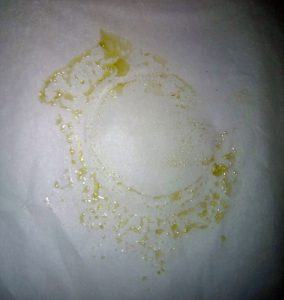
- Remove the paper from the press and cool it immediately to stop residual heat. Ideally, place the paper on a cold aluminium or stainless steel plate (cold plate). If you don't have one, a few seconds in the freezer serves the same purpose. This thermal shock is critical for preserving the most volatile terpenes and making collection easier.
Collection
Freshly pressed hash rosin is a fluid, hot oil. Allow it to cool before collecting with the dabber — if the texture is very liquid, a few additional minutes in the freezer will make collection easier. Transfer directly into a clean, airtight glass jar.
Hash rosin curing and textures
Curing is the stabilisation process that takes place after pressing. Freshly extracted rosin is a fluid oil with an unstable composition: terpenes, cannabinoids and lipids have not yet reached equilibrium. Curing controls how that composition evolves — and therefore determines the final texture and the quality of the consumption experience.
Cold cure: the base protocol
Cold cure is the most accessible method and the starting point for home production. The process is straightforward: collect the rosin immediately after pressing, place it in an airtight glass container (jar-style) and refrigerate at between 4 and 8°C for 24–72 hours.
During that time, the drop in temperature slows the evaporation of volatile terpenes and promotes a partial, controlled separation between terpenes and cannabinoids. The typical result is a texture somewhere between badder and jam: semi-solid, workable and with a good aromatic profile.
The container must be airtight to prevent oxidation. While silicone is convenient for its non-stick properties, borosilicate glass (jar-style) is the most recommended material for the curing process. Being non-porous, glass ensures that the most volatile terpenes are not absorbed by the container, allowing the aromatic profile to stabilise optimally throughout the process.
Textures: how they form and how to achieve them
The final texture of cured rosin is not random. It depends on the composition of the starting material, pressing temperature and, above all, how the curing is managed.
Badder: creamy and workable texture, the most common result in domestic cold cure. It is encouraged by stirring or agitating the rosin during the cooling process, which evenly distributes terpenes and cannabinoids. Rosin with a balanced terpene profile and low pressing temperature will naturally tend towards badder.
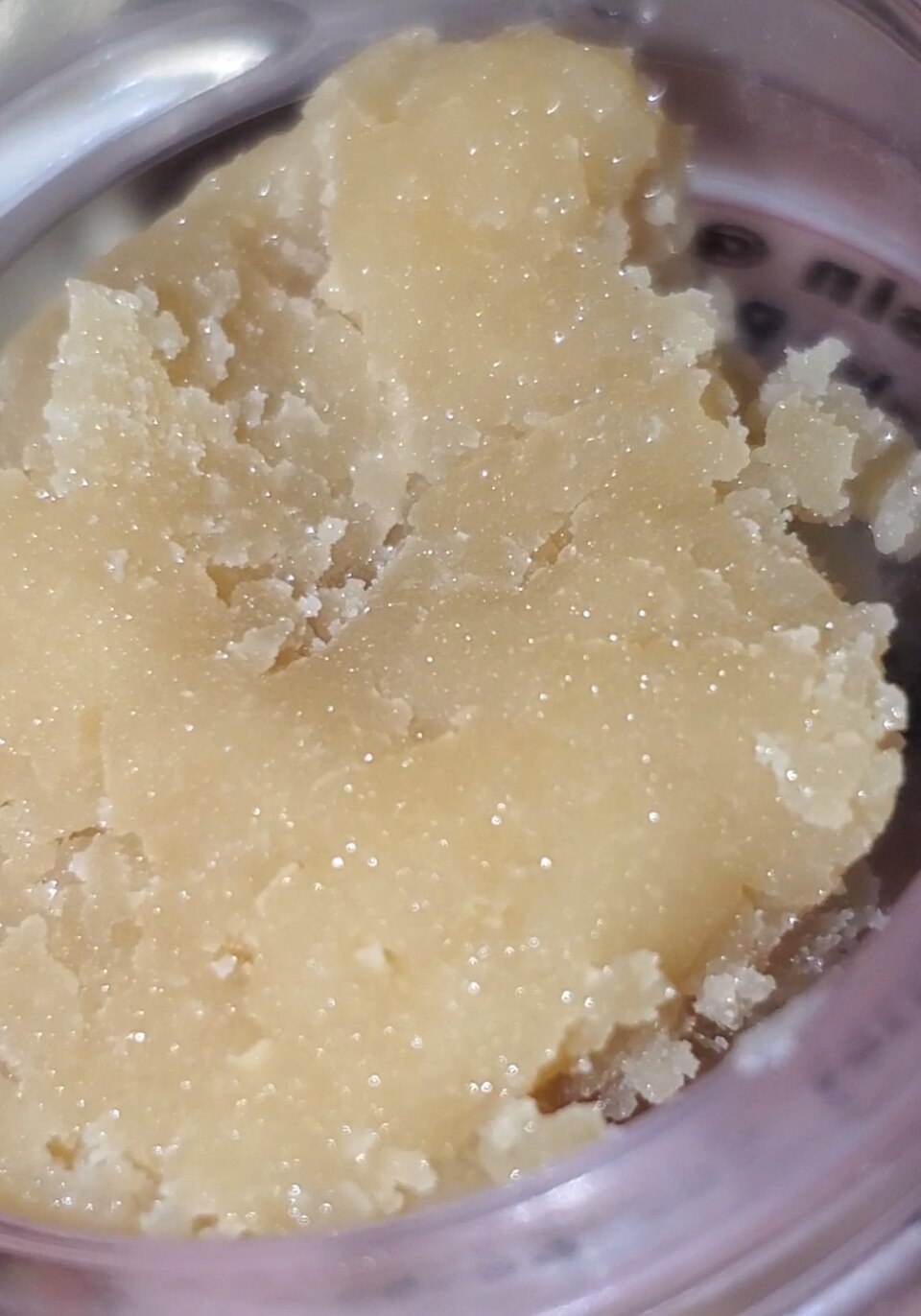
Jam or sauce: semi-liquid texture with a visible separation between a terpene-rich phase and a more solid cannabinoid phase. It appears when terpenes partially separate during curing, which occurs particularly in rosins with high terpene content when cured at rest without agitation. The result is aromatically intense but harder to handle.
Diamonds: THCA crystalline formations that develop in rosins with high concentrations of that cannabinoid after prolonged cold curing — weeks or months — under controlled conditions. This is not a typical result in standard home production and requires a specific protocol.
Hash rosin storage
Storage conditions are the same as for any solventless concentrate: airtight borosilicate glass container, preferably dark (to block light-induced degradation), kept away from heat. Refrigerator for storage over weeks; freezer for months.
High-quality hash rosin is particularly sensitive to sudden temperature changes. Repeatedly taking the container in and out of the cold generates condensation and accelerates degradation. The most practical approach is to divide the material into small portions from the start, keeping in cold storage whatever won't be consumed in the short term, and only bringing the immediate-use portion to room temperature.

Common hash rosin mistakes and how to avoid them
During preparation
Wet hash: the easiest mistake to avoid and one of the most frequent. The result is rosin with a milky appearance, low stability and reduced yield. Solution: dry the material for at least 24–48 hours at room temperature before pressing. If there is any doubt about the material's condition, the crumble test is enough — if it clumps when pressed between fingers, it needs more drying.
Wrong bag: a micron rating that is too open allows impurities into the extract; a format that is too large for the amount of material makes even pressing difficult. Always match the micron rating to the material and the format to the quantity.
During pressing
Temperature too high: the most common mistake for those coming from flower rosin. With hash, sustained temperatures above 75°C degrade terpenes and produce a dark rosin with a flat aromatic profile. Always start at the lowest temperature in the recommended range and only increase if yield is insufficient.
Skipping the preheat phase: applying high pressure before the material has melted causes a sudden release that can burst the bag. A blowout mixes plant material with the rosin and contaminates the result. If it happens, the material is not necessarily unusable — it can be collected separately for use in cannabis cooking or infusions, where the presence of plant material does not affect the result.
Overfilled bag: the dense hash material doesn't leave enough space for resin to flow, which reduces yield and increases the risk of blowout. Keep quantities conservative, especially with a new material.
During curing and storage
Non-airtight container: terpene loss during curing due to a poor seal is irreversible. Always verify the seal is tight before refrigerating.
Sudden temperature changes: taking the container directly from the freezer to room temperature causes condensation inside. Allow it to reach room temperature before opening, or divide into portions from the start to avoid repeatedly opening the main container.